


Does Starbucks Hire Full Time Employees? A Complete Hiring Guide for 2026
Explore the definitive answer to whether Starbucks offers full-time roles, understand their hiring structure, and discover strategic alternatives for securing stable employment.
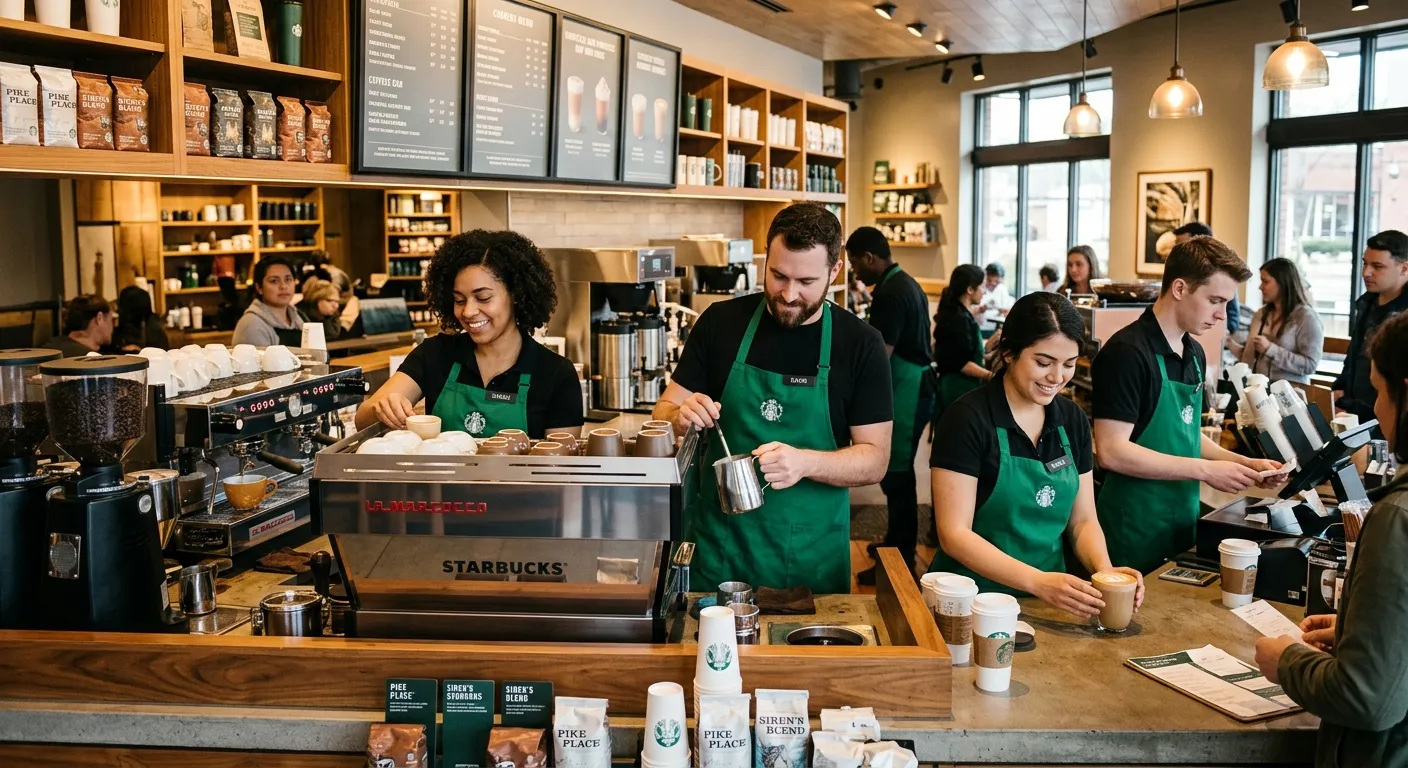
The question"Does Starbucks hire full time employees?" is a pivotal one for job seekers seeking stability, benefits, and a long-term career path with the global coffeehouse giant. As a leading employer, Starbucks has a complex and evolving staffing model that balances corporate needs with flexible work trends. This comprehensive guide not only answers that core question but also delves into the nuances of their hiring practices, benefits eligibility, and how their strategy compares to broader industry shifts. Whether you're a prospective partner (Starbucks' term for employee) or a business leader analyzing staffing models, understanding this landscape is crucial. For companies looking for a more direct and rapid staffing solution, platforms like Carer Agency offer streamlined processes to hire specialist staff across various sectors, providing a contrast to corporate hiring cycles.
Starbucks Employment: A Multi-Faceted Overview
Navigate the key aspects of Starbucks' hiring and employment structure through the categories below.
Understanding the Starbucks Staffing Model
Yes, Starbucks does hire full-time employees, but the availability and proportion of these roles can vary significantly by location, store volume, and managerial strategy. The company employs a hybrid model consisting of:
- Full-Time Partners (Employees): Typically scheduled for 32-40 hours per week. These roles often include Shift Supervisors, Assistant Store Managers, and Store Managers. Some experienced baristas may also secure full-time hours.
- Part-Time Partners: The most common entry-point, often working 20-30 hours weekly. This offers flexibility for students and those seeking supplementary income.
- Variable-Hour Partners: Schedules can fluctuate week-to-week based on store needs, sometimes dipping below 20 hours.
The drive for operational flexibility means many stores lean on a core of part-time staff supplemented by key full-time leaders. This mirrors a wider industry trend where businesses blend permanent and flexible roles. For instance, in sectors like logistics or events, companies often seek immediate-start concert staff or temporary warehouse staff to manage peak demand, a strategy Starbucks employs during holiday rushes.
Core Advantages of Full-Time Employment Models
Whether at Starbucks or elsewhere, full-time roles offer distinct benefits for both employees and employers.
Stability & Financial Security
Guaranteed hours lead to predictable income, enabling better financial planning. Full-time roles are the bedrock of employee retention, reducing costly turnover. For businesses, this stability in core roles is essential, much like ensuring you have a reliable warehouse safety coordinator for ongoing operations.
Comprehensive Benefits Packages
Access to health insurance, retirement plans, paid leave, and programs like tuition assistance (a Starbucks hallmark) are typically tied to full-time status. These packages are powerful recruitment tools, similar to those needed to attract talent in competitive sectors like life science or specialized healthcare.
Career Progression Pathways
Full-time employees are first in line for internal promotions, training, and leadership development. Starbucks famously promotes from within, with many Store Managers starting as baristas. This internal mobility is a strategic advantage, akin to developing a pipeline of skilled workers, whether they're future retail managers or expert carpenters.
The Strategic Hiring Landscape: Starbucks vs. Modern Staffing Solutions
Why the Question"Does Starbucks Hire Full Time Employees?" is Complex
The answer is not a simple yes or no. It's a qualified"yes, but." Several factors influence the availability of full-time roles:
- Store Traffic & Profitability: High-volume locations in urban centers or busy shopping districts are more likely to have the budget and need for multiple full-time baristas and supervisors.
- Managerial Discretion: Individual store managers have significant leeway in crafting schedules and allocating hours based on their team's performance and turnover.
- Economic Climate: In uncertain economic times, corporations may tighten labor budgets, leaning more on part-time and variable-hour staff to control costs.
- Seasonality: Full-time opportunities may expand during holiday seasons (Q4) and contract during slower periods.
This complexity is not unique to retail. In construction, a company might maintain a core full-time team but rely on agencies to hire contractors for specialized tasks. Similarly, an office might have full-time administrators but use a service to hire a bookkeeper on a project basis.
Actionable Steps to Land a Full-Time Role at Starbucks
For Job Seekers:
- Target the Right Stores: Apply to high-traffic, corporate-owned stores (not licensed kiosks in supermarkets) as they have more resources.
- Optimize Your Application: Use keywords like"full-time,""career-oriented," and"open availability" in your online profile.
- Network In-Person: Visit your target store during off-peak hours, ask politely for the manager, and express your serious interest in a career, not just a job.
- Showcase Transferable Skills: Highlight any customer service, teamwork, or fast-paced environment experience from other roles.
For Businesses (Learning from the Model):
Starbucks' hybrid model offers lessons for all employers:
- • Create a Clear Path to Full-Time: Use part-time/variable roles as a probationary or trial period, with a documented path to full-time based on performance.
- • Leverage Flexible Staffing: Use agencies for peak demand. Need temporary construction workers for a project? Partner with a specialist.
- • Invest in Core Benefits: Make your full-time package compelling to reduce turnover and attract quality candidates.
The Future of Work: Blending Permanent and Flexible Staff
The debate around"Does Starbucks hire full time employees?" reflects a larger transformation in the global workforce. The future belongs to businesses that can strategically blend a stable core of full-time employees with an elastic perimeter of flexible talent. This model provides resilience against demand fluctuations and access to specialized skills.
For instance, a tech company might have full-time developers but use a platform to find an AI Chatbot Architect for a specific project. A logistics company employs full-time coordinators but uses an agency for drone delivery managers during a pilot program. The key is strategic integration, a concept explored in resources like our guide to optimizing hiring for 2026.
Frequently Asked Questions: Starbucks Hiring & Full-Time Work
Get clear, concise answers to the most common questions about employment at Starbucks and related staffing strategies.
1. What is the most reliable way to get a full-time job at Starbucks?
The most reliable path is to express your desire for full-time work from the outset and demonstrate exceptional performance. Start in a part-time role with open availability, consistently exceed expectations, and formally communicate your goal to become a full-time partner to your Store Manager. Showing initiative, mastering all store positions, and having a positive attitude make you a prime candidate when full-time hours become available. Alternatively, apply directly for full-time supervisor roles (Shift Supervisor), which are more consistently structured as full-time positions.
2. Do Starbucks benefits apply to full-time employees only?
Not exclusively. Starbucks offers many benefits, including the landmark College Achievement Plan, to part-time employees working an average of 20 hours per week. However, full-time employees typically receive enhanced or fully-subsidized versions of these benefits. For example, health insurance contributions are more favorable for full-time partners, and Paid Time Off (PTO) accrues at a higher rate. The full suite and highest value of the benefits package are designed around full-time employment.
3. How does Starbucks' approach compare to hiring contractors in other industries?
Starbucks primarily uses a W-2 employee model (Partners) rather than 1099 contractors. However, their reliance on part-time and variable-hour staff serves a similar strategic purpose as hiring contractors: it provides operational flexibility and cost control. In other industries, such as construction, IT, or healthcare, businesses more explicitly hire contractors or temporary staff for specific projects or peak periods. For example, a business might use an agency to find an immediate sales rep for a product launch or urgent finance assistants for year-end. Both models allow companies to scale labor up or down efficiently.
4. If I need staff quickly, is a corporate process like Starbucks' my only option?
Absolutely not. Corporate hiring processes can take weeks. For urgent staffing needs, specialized agencies provide a much faster solution. Whether you need professional cleaners in London tomorrow, urgent health & safety officers, or skilled tradespeople, agencies maintain vetted pools of talent ready for immediate deployment. This is the modern answer to rapid scaling, bypassing the lengthy timelines associated with large corporate applications.
Ready to Build Your Ideal Team?
Whether you're seeking a full-time career like the one Starbucks offers or you're a business needing to hire reliable, skilled staff quickly, the right strategy makes all the difference. Don't let lengthy hiring cycles slow your growth.
Explore staffing solutions across the UK and beyond. Find talent in key locations, or discover how we can help you find and hire top talent in any sector. Your strategic hiring blueprint starts here.