


The Critical Role of Health Safety Professionals in NR28
The role of a Health Safety professional within a carer agency is multifaceted and profoundly impactful. In the NR28 area, which encompasses a diverse population including elderly residents, individuals with disabilities, and those receiving post-operative care at home, the health safety officer acts as a guardian of well-being. Their primary duty extends beyond compliance; it involves creating a culture of safety that permeates every care visit, every client interaction, and every staff training session.
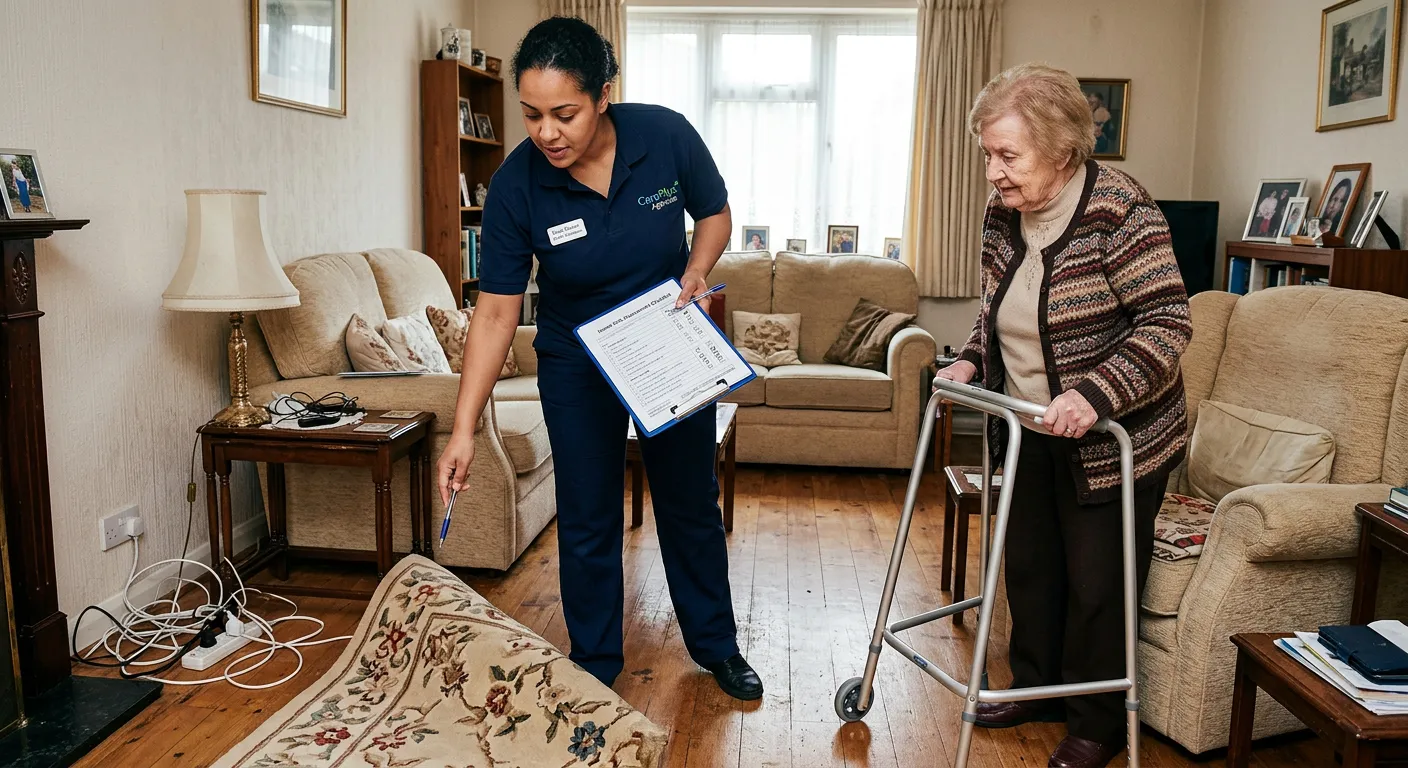
These professionals are responsible for conducting dynamic risk assessments tailored to individual client homes—environments that present unique challenges compared to institutional settings. From evaluating trip hazards in a cluttered living room to assessing the safety of medical equipment in a home-based setting, their work is detail-oriented and client-specific. They must also stay abreast of local health trends in NR28, such as seasonal flu outbreaks or specific community health concerns, to proactively implement preventative measures for both clients and care staff.
A Day in the Life: Responsibilities and Tasks
To understand the scope of this urgent role, let’s delve into a typical day. The health safety officer starts by reviewing incident reports from the previous night, identifying any patterns or areas requiring immediate intervention. They might then schedule and conduct a spot audit at a client’s residence in NR28, observing care practices, checking medication storage safety, and ensuring infection control protocols are followed.
Key daily tasks include:
- Developing & Updating Safety Protocols: Creating clear, actionable guidelines for manual handling, infection prevention, and emergency response specific to home care.
- Training & Mentorship: Delivering engaging, practical training sessions to carers, not just on policies but on real-world application. This includes using scenario-based learning.
- Incident Investigation & Analysis: When a near-miss or incident occurs, the officer leads a root-cause analysis to prevent recurrence, focusing on system improvements rather than individual blame.
- Client Safety Education: Educating clients and their families on home safety, empowering them to be active participants in their own safe care environment.
- Equipment Audits: Ensuring all mobility aids, pressure relief mattresses, and personal care equipment provided by the agency are in safe working order and correctly used.
Why an Immediate Start is Essential for NR28
The"immediate start" requirement for this position is not merely an operational preference; it is a critical response to community need. The care sector in NR28 faces ongoing pressures, including high demand for services and the constant evolution of health and safety regulations. A vacancy in this key role leaves a gap in the agency's protective infrastructure, potentially increasing risk for clients and staff.
An immediate start allows for:
- Continuity of Safety Oversight: Preventing any lapse in audit cycles, training updates, and risk assessment processes.
- Quick Response to Emerging Issues: Whether it’s a new COVID-19 variant or a local outbreak of a contagious illness, having a dedicated officer in place enables rapid implementation of updated control measures.
- Support for New Staff: With carer agencies often onboarding new employees, an immediate health safety presence ensures these newcomers receive vital safety induction from day one.
Case Study: Implementing a Falls Prevention Strategy in NR28
A recent initiative led by a Health Safety officer at a similar agency in the region provides a concrete example of the role’s value. Data analysis revealed a higher incidence of client falls in certain NR28 neighbourhoods, particularly among those with mobility issues living in older housing.
The officer developed a targeted"Falls Prevention Partnership" program:
- Data-Driven Targeting: Identified high-risk clients using historical incident data and carer feedback.
- Home Environment Modifications: Worked with clients and families to implement simple, low-cost modifications (e.g., installing grab rails, improving lighting, removing clutter).
- Carer Training Focus: Ran specialised training on safe transfer techniques and recognising early signs of client dizziness or weakness.
- Client Empowerment Workshops: Held small group sessions for clients on strength exercises and safe home navigation.
Within six months, the agency reported a 40% reduction in fall-related incidents among the targeted group, leading to improved client outcomes, reduced carer stress, and lower operational costs related to injuries.
Deep Dive: Key Competencies and Skills for Success
To excel in this urgent role within NR28, specific competencies beyond generic health and safety knowledge are required.
1. Sector-Specific Regulatory Expertise
The candidate must have a thorough understanding of the Care Quality Commission (CQC) regulations, the Health and Safety at Work Act, and specific guidelines like the Manual Handling Operations Regulations. However, in the home care context, applying these regulations creatively is key. For example, how does a"safe system of work" for manual handling translate to a small bathroom with limited space? The successful officer will be adept at translating broad regulations into practical, client-centred actions.
2. Communication & Influence Skills
This role is not about enforcing rules from a distance. It requires the ability to communicate effectively with diverse groups: anxious clients, busy carers, agency management, and sometimes external health professionals. The officer must be able to influence behaviour—to convince a carer to consistently use a new technique, or a client to accept a home modification. Training must be engaging and relatable, not just a box-ticking exercise.
3. Analytical & Proactive Problem Solving
Relying on incident reports alone is reactive. The proactive officer analyses trends—from carer feedback, client surveys, and even local NHS data—to anticipate risks. For instance, if NR28 sees an increase in residents with diabetes, the officer might proactively develop training on hypoglycemia recognition and response for carers.
The Career Pathway: From Temporary to Permanent Opportunity
The"temporary-to-perm" nature of this role offers a significant advantage for both the agency and the candidate. It allows for a period of mutual assessment. The agency can evaluate the officer's impact on safety culture and incident rates, while the candidate can immerse themselves in the specific challenges and community of NR28.
This pathway often unfolds as follows:
- Initial 3-6 Month Period (Temporary): Focus on rapid integration, baseline audits, and addressing any immediate safety gaps. The officer will build relationships with team leads and key clients.
- Performance & Impact Review: Success is measured not just by completed audits, but by tangible outcomes: reduction in reportable incidents, positive feedback from carer safety surveys, and improved compliance scores.
- Transition to Permanent Role: Upon successful review, the role typically evolves. The permanent officer often takes on broader responsibilities, such as contributing to the agency’s strategic safety plan, mentoring new safety coordinators, and leading community safety outreach programs in NR28.
This structure provides job security for the right candidate and ensures the agency retains a professional who has proven their value on the ground.
Navigating the Unique Challenges of Home Care Safety in NR28
Home care presents distinct challenges that differ markedly from hospital or residential care settings. The health safety officer must be a master of adaptability.
Challenge 1: Variable and Uncontrolled Environments
Each client’s home is a unique workspace. Risks can range from poorly maintained stairs, aggressive pets, hoarding situations, to unsafe heating systems. The officer must equip carers with the skills and authority to conduct dynamic risk assessments at the start of each visit and to report environmental concerns promptly. Developing a simple, effective"5-minute home safety check" for carers can be a powerful tool.
Challenge 2: Lone Working Risks
Carers often work alone in clients’ homes, which presents risks to their personal safety. The health safety officer must implement robust lone working policies. This includes reliable check-in systems, clear procedures for dealing with aggressive or unpredictable behaviour, and providing carers with personal safety devices or apps. Regular training on de-escalation techniques and situational awareness is crucial.
Challenge 3: Infection Control in Domestic Settings
Maintaining clinical-level infection control in a home environment is complex. The officer must develop protocols that are practical and sustainable. For example, how should carers manage PPE disposal when a client doesn’t have a clinical waste bin? Solutions might include providing carers with individual disposal kits and training on safe techniques for bagging and removing contaminated materials.
Building a Positive Safety Culture: Beyond Policies and Paperwork
The ultimate goal of the Health Safety officer is to foster a culture where safety is instinctively prioritised by everyone. This involves moving away from a fear-based, compliance-driven model to a positive, participatory approach.
Strategies for Cultural Building:
- Safety Champions Program: Identify enthusiastic carers within the NR28 team to act as peer safety champions, promoting best practices and acting as a first point of contact for concerns.
- Positive Recognition: Regularly recognise and reward safe practices—for example, acknowledging a carer who identified a potential hazard and reported it, leading to a preventative fix.
- Open Reporting Systems: Create an environment where reporting near-misses or concerns is seen as positive and constructive, not punitive. This requires transparent communication and quick, visible action on reports.
- Client Inclusion: Involve clients in safety discussions. Their insights into their own home and daily routines can reveal hazards a professional might miss.
Technology and Innovation in Home Care Safety
Modern health safety roles leverage technology to enhance effectiveness. In NR28, this might involve:
- Digital Audit and Reporting Tools: Using mobile apps for carers to quickly log safety observations or incidents directly from a client’s home, with photos and GPS tagging for immediacy and accuracy.
- E-Learning Platforms: Developing bite-sized, accessible training modules that carers can complete on their smartphones, allowing for continuous learning without needing to travel to a central office.
- Data Analytics Software: Using software to analyse incident data, identifying high-risk times, locations, or activities, enabling targeted preventative campaigns.
- Virtual Safety Walks: For complex cases, using video calls (with client consent) to conduct preliminary environmental assessments remotely, saving time and resources.
The Impact on Carer Well-being and Retention
A strong health safety framework directly contributes to carer job satisfaction and retention—a critical issue for agencies in NR28. Carers who feel safe, supported, and well-trained are more likely to remain in their roles.
The health safety officer contributes to this by:
- Reducing Physical Strain: Through effective manual handling training and providing the right equipment, they prevent work-related injuries that can lead to burnout and absenteeism.
- Providing Psychological Safety: Clear protocols for dealing with difficult situations and a supportive reporting culture reduce stress and anxiety.
- Fostering Professional Development: Safety training enhances a carer’s skill set, making them more confident and competent, which improves their professional self-esteem.
Investing in a dedicated Health Safety officer is, therefore, an investment in workforce stability.
Preparing for Your Application and Interview
Given the urgent need and specialised nature of this role, candidates should prepare thoroughly. Here’s what the agency will likely look for:
Demonstrable Experience in Adaptive Safety
Be prepared to discuss specific examples where you adapted a standard safety protocol to a unique, non-standard environment—like a client’s home. Describe the risk, your thought process, the solution you implemented, and the outcome.
Understanding of the NR28 Community
Research the NR28 area. Are there particular demographic trends (ageing population, specific common health conditions)? Mentioning an understanding of local needs shows genuine interest and strategic thinking.
A Proactive, Not Reactive, Mindset
In your interview, focus on how you prevent incidents. Talk about programs you’ve designed, training you’ve developed, and how you use data to look ahead, not just back.
Immediate Start Capability
Express your readiness to engage quickly. Outline how you would prioritise your first week: building relationships with team leaders, reviewing current incident data, and scheduling critical risk assessments.
Conclusion: A Role of Vital Importance
The urgent need for a Health Safety professional in NR28 represents more than just filling a job vacancy. It is about installing a key pillar of protection for vulnerable clients and the dedicated carers who support them. This role offers a unique opportunity to make a tangible, daily difference in the community, using expertise to create safer homes and more confident care teams. The immediate start and temporary-to-permanent pathway reflect the agency’s serious commitment to resolving this need swiftly and securing the right person for the long term. For a professional passionate about practical, impactful safety work, this role in NR28 is a chance to lead, innovate, and embed a culture of care that truly protects.
Ready to Make an Immediate Impact?
If you possess the blend of regulatory knowledge, practical adaptability, and communication skills required for this vital role, we urge you to apply today. The process is streamlined for an urgent start:
- Submit Your CV and a Brief Cover Letter: Highlight your specific experience in risk assessment, training delivery, and any background in community or home care settings.
- Quick-Turnaround Interview: Expect a prompt invitation for an interview focusing on scenario-based questions and your approach to immediate integration.
- Swift Onboarding: Successful candidates will undergo a focused induction to get you on the ground in NR28 and making a difference from day one.
Join us in ensuring that every care visit in NR28 is conducted with the highest standards of safety and professionalism. Apply now.
Strategic Partnerships: Enhancing Safety Through Local NR28 Networks
An effective Health Safety officer operates not in isolation but as a node within a wider network of local support and expertise. In the NR28 postcode, forging strategic partnerships is a force multiplier for safety outcomes. This involves proactively engaging with local GP surgeries, community nurses, the Norfolk Fire and Rescue Service, and even council environmental health teams. For instance, a partnership with a local pharmacy could facilitate medication safety reviews for clients with complex polypharmacy regimens, identifying interactions that increase fall risk. Collaborating with the fire service can lead to tailored home fire safety visits for high-risk clients, addressing hazards like overloaded sockets or unsafe use of electric blankets—common findings in older homes in the area. These partnerships transform the role from an internal auditor to a community safety integrator, leveraging external resources to create a holistic safety net for clients.
The Psychology of Safety: Influencing Behaviour in a Dispersed Workforce
One of the most nuanced aspects of this role is understanding and influencing the human factors in safety. Carers are often time-pressed, emotionally invested, and working autonomously. A simple policy directive is rarely enough to change ingrained habits. Applying behavioural science models, like the COM-B (Capability, Opportunity, Motivation-Behaviour) model, is crucial. For example, to improve hand hygiene compliance between clients: Capability: Provide practical, quick-drying alcohol gel and demonstrate correct technique. Opportunity: Ensure hand sanitiser is always accessible in carers' bags and cars; streamline reporting so it's easy to log stock needs. Motivation: Use positive feedback, share data showing how good hygiene reduces client infections (appealing to carers' core value of care), and create friendly team competitions. The officer must be a pragmatic psychologist, identifying barriers to safe behaviour and designing systems that make the safe choice the easiest and most natural choice.
Financial and Operational Impact of Robust Health Safety
While the primary driver is moral and ethical, a strong health safety function delivers measurable financial and operational benefits to the agency, creating a compelling business case for the role. In NR28's competitive care market, these benefits directly impact sustainability and quality ratings.
- Reduction in Insurance Premiums: A demonstrable reduction in reportable incidents and claims can lead to lower employer and public liability insurance costs. Insurers often provide discounts for agencies with accredited safety management systems and dedicated officers. Decreased Absenteeism and Agency Staff Costs: Work-related injuries, particularly musculoskeletal disorders from manual handling, are a leading cause of carer absenteeism. Effective training and equipment reduce these injuries, keeping the permanent workforce healthy and present. This minimises reliance on expensive agency staff, ensuring continuity of care for NR28 clients and better team cohesion.
- CQC Compliance and Reputation: A"Good" or"Outstanding" CQC rating, heavily influenced by safe care, is a powerful marketing tool. It attracts both clients and high-quality staff. Conversely, a"Requires Improvement" rating due to safety concerns can damage reputation and lead to lost contracts. The health safety officer is the guardian of this critical compliance.
- Mitigation of Fines and Legal Costs: Proactive compliance avoids costly enforcement action from the Health and Safety Executive (HSE). The cost of a single fine for a manual handling breach can far exceed the annual salary of a safety officer.
Case Study: Ergonomics and Vehicle Safety for NR28 Carers
Many carers in NR28 cover large rural areas, spending significant time driving between clients. A proactive health safety officer identified a cluster of reports relating to driver fatigue and minor musculoskeletal issues from lifting mobility aids in and out of cars. A targeted project was launched: Phase 1 – Risk Assessment: Surveyed carers on driving patterns, car types, and equipment handling. Conducted sample vehicle inspections. Phase 2 – Interventions: Negotiated with a local garage for discounted ergonomic car seat supports. Introduced a mandatory 5-minute"hazard break" between every 2 hours of driving, to be logged via a simple app. Provided training on safe lifting techniques for folding wheelchairs and walkers. Phase 3 – Technology: Subsidised the use of hands-free kits and introduced a policy banning work-related calls while driving. Outcome: Within a year, fatigue-related near-miss reports dropped by 60%, and complaints of back pain among the driving cohort reduced markedly. This not only improved carer wellbeing but also reduced the risk of a serious road traffic accident—a major operational risk for any home care agency.
Crisis Management and Business Continuity Planning
The COVID-19 pandemic was a stark lesson in the need for agile crisis management. The Health Safety officer is pivotal in developing and testing business continuity plans for events like pandemics, extreme weather (relevant to Norfolk's coastal and rural areas in NR28), or utility failures. This goes beyond generic plans to include home-care-specific scenarios. For example, a plan for flooding in low-lying parts of NR28 would include: a protocol for checking on clients in flood-risk zones ahead of severe warnings; a process for rerouncing carers if roads are impassable; and pre-arranged agreements with local residential homes for emergency client relocation if a home becomes uninhabitable. Regular table-top exercises with management and team leaders, facilitated by the safety officer, ensure the agency can respond swiftly and effectively, maintaining care for vulnerable clients when they need it most.
Mental Health First Aid and Psychosocial Risks
Modern health safety encompasses psychological as well as physical safety. Carers in NR28 are exposed to emotionally challenging situations, including client death, dementia-related behaviours, and family tensions. The officer should champion Mental Health First Aid (MHFA) training for supervisors and create clear pathways for carers to access confidential support. Furthermore, they must assess psychosocial risks such as high workload, emotional labour, and lack of peer support—especially for carers covering remote rural routes. Implementing regular"check and chat" sessions via video call for isolated carers, and ensuring rotas allow for debriefing after difficult visits, are examples of proactive psychosocial risk management. A carer suffering from burnout is a safety risk to themselves and their clients.
Leveraging Data: From Reactive Reporting to Predictive Analytics
The true power of incident data is unlocked when it's used predictively. A sophisticated health safety officer will move beyond monthly report summaries. They will use data analytics to identify leading indicators—precursors to incidents. For an agency in NR28, this might involve tracking: - The frequency of"near-miss" slips and trips reported. - Rising numbers of carers reporting client aggression or confusion. - Increased requests for manual handling equipment. A spike in any of these could indicate an underlying issue, such as a need for refresher training, or a particular client whose condition is deteriorating and requires a revised care plan. By cross-referencing incident data with carer workload metrics and client dependency scores, the officer can predict and prevent incidents before they occur, allocating resources to the areas of highest emerging risk.
Specialised Risk Areas: Dementia Care and Safeguarding
A significant proportion of clients in the NR28 area will be living with dementia. This requires specialised safety competencies. The officer must ensure training covers dementia-specific risks: wandering (elopement), ingestion of harmful substances, and managing agitation without restraint. Developing"dementia-friendly" home checklists that focus on simplifying the environment, ensuring good lighting to reduce shadows that cause confusion, and safe storage of cleaning products is essential. Furthermore, the role is intrinsically linked to safeguarding. The health safety officer must be adept at recognising the signs that a client's injury may not be accidental but could indicate abuse or neglect, either at home or from another source. They must have a flawless understanding of the agency's safeguarding adults policy and work seamlessly with the designated safeguarding lead, ensuring that safety observations contribute to the wider protection of vulnerable adults.
Sustainability and Environmental Safety
The concept of safety is expanding to include environmental sustainability. The officer can lead initiatives that protect both people and the planet, which also resonate with clients and staff values in NR28. This includes: - Green Cleaning Protocols: Auditing the chemical products used in clients' homes, promoting the switch to effective, non-toxic, and environmentally friendly alternatives to reduce chemical exposure risks and pollution. - Waste Management: Streamlining clinical waste disposal routes to reduce unnecessary car journeys (lowering carbon footprint and driver risk) and ensuring correct segregation to protect waste handlers. - Resource Efficiency: Implementing digital systems to reduce paper-based reporting and auditing, moving towards a near-paperless office. This also improves data accessibility and security. These initiatives position the agency as a forward-thinking, responsible community partner.
The First 100 Days: A Blueprint for Immediate Impact
For the candidate starting urgently, having a structured plan for the first 100 days is critical to demonstrate immediate value. This blueprint should be agile but focused: Days 1-30: Listen, Learn, and Stabilise. Conduct"safety listening tours" with carers, clients, and managers. Review all recent incident reports and near-misses. Perform a rapid compliance gap analysis against CQC standards. Address any single critical hazard identified (e.g., expired first-aid kits, faulty equipment). Days 31-60: Analyse, Plan, and Communicate. Present a"State of Safety" report to management, highlighting 3 key priority areas based on data. Launch one"quick win" campaign (e.g.,"Slip-Free September" focusing on trip hazards). Begin drafting or revising one key policy, involving carers in the process for buy-in. Days 61-100: Implement, Train, and Embed. Roll out the revised policy with targeted training sessions. Establish a"Safety Champion" network. Run a table-top crisis exercise. Report on the measurable outcomes of the first quick-win campaign, showing a reduction in related incidents or positive feedback.
Future-Proofing Safety: Emerging Trends and Technologies
The successful officer will keep an eye on the horizon, preparing the agency for future safety challenges and opportunities relevant to NR28. Telecare Integration: As more clients use personal alarms, fall detectors, and GPS trackers, the officer should understand how this technology integrates with care plans. They can audit the reliability of these devices and train carers on how to respond to alerts. Electric Vehicle (EV) Transition: For agencies considering EV fleets, the officer will need to assess new risks: home charging safety for carers, emergency procedures for EV accidents, and ensuring charging points are accessible on rural routes. AI and Predictive Modelling: Exploring software that uses AI to analyse combined data sets (incident, weather, traffic, client health) to predict high-risk days and proactively advise on carer deployment and client check-ins. By staying informed on these trends, the officer ensures the agency's safety protocols are not just current, but forward-looking.
Conclusion: The Heart of Safe, Compassionate Care in NR28
This urgent role is, at its core, about enabling compassionate care to flourish within a framework of absolute safety. It removes the fear of harm, allowing carers to focus on connection and clients to receive support with dignity and confidence. The Health Safety officer in NR28 is the strategic linchpin who transforms regulatory requirements into lived reality, who turns data into preventative action, and who builds a culture where every team member is an active guardian of safety. The immediate start is a call to action for a professional who is not just a competent auditor, but a leader, an influencer, an innovator, and a passionate advocate for the well-being of an entire community. For the right individual, it represents a career-defining opportunity to leave a lasting, positive legacy on the quality and safety of home care in Norfolk.
Your Next Steps: Applying for This Pivotal Role
To express your interest and begin the rapid application process, please ensure your application addresses the following core pillars we seek in our Health Safety Officer for NR28:
- Evidence of Pragmatic Application: Don't just list qualifications. Provide a bullet-pointed example of a time you solved a complex, real-world safety problem in a non-standard environment.
- Understanding of the Local Context: Briefly mention one demographic or geographic factor about the NR28 area that you believe would influence your safety strategy.
- Readiness for Immediate Action: State your available start date and outline one specific action you would take in your first week to begin building trust with the care team.
- Vision for Culture: In one sentence, describe what a positive safety culture means to you in a home care setting.
We are reviewing applications on a rolling basis for this immediate start. Submit your details today to become the cornerstone of safety for our clients and carers in NR28.
Operationalising Safety: From Policy to Practice in the Home Environment
A significant challenge unique to the domiciliary care sector is the translation of centralised policy into effective practice across dozens of disparate, private homes. A policy written in an office must be adaptable to a small bungalow in North Walsham, a farmhouse in Swanton Abbott, and a third-floor flat in Worstead. The Health Safety officer must be an architect of flexible frameworks, not rigid rules. This involves creating"toolkits" rather than just manuals. For example, instead of a generic"fire safety policy," the officer develops a"Home Fire Safety Toolkit" that includes: a simple visual checklist for carers to complete on their first visit (checking smoke alarm batteries, identifying escape routes, noting space heater usage); a laminated guide for clients on fire prevention tailored for the elderly (e.g.,"Never leave cooking unattended"); and a clear flowchart for carers on actions if a fire occurs, including how to assist a client with limited mobility. This toolkit approach empowers carers with practical resources, making safety actionable in the field.
Supply Chain and Equipment Safety: Ensuring Integrity from Warehouse to Client
The safety remit extends beyond practices to the physical equipment used. The officer must oversee the entire equipment lifecycle. This begins with vetting suppliers for medical devices like hoists and pressure care mattresses, ensuring they meet MHRA (Medicines and Healthcare products Regulatory Agency) standards. Upon delivery, a robust inspection and testing protocol must be in place – checking for damage, electrical safety (PAT testing), and function. Crucially, the officer must then ensure carers are competently trained not just on generic use, but on the specific model provided. A common pitfall is assuming a carer trained on one sling type can safely use all slings; incorrect attachment is a major risk. The officer implements a colour-coding or clear labelling system for equipment and maintains a digital register linking specific equipment to client profiles and their required safety checks, ensuring nothing falls through the cracks.
Nutritional Safety and Food Hygiene in Home Care
Many carers in NR28 support clients with meal preparation, making nutritional safety and food hygiene a critical, yet often underemphasised, domain. Risks range from cross-contamination and poor food storage in client homes to preparing textures unsuitable for those with dysphagia (swallowing difficulties). The Health Safety officer must develop protocols that are realistic for a home kitchen. This includes: mandatory Level 2 Food Hygiene training for all carers involved in meal prep; providing carers with client-specific"Food Safety Cards" detailing allergies, textures, and specific risks; and simple guidance on checking fridge temperatures and managing"use by" dates in a client's home. For clients at high risk of malnutrition or choking, the officer might liaise with community dietitians to develop visual guides for safe meal preparation.
Medication Safety: A High-Stakes Home-Based Process
Medication administration is one of the highest-risk activities in home care. Errors can have severe consequences. The officer's role is to design and audit a fail-safe system. This goes beyond checking the"right client, right drug, right dose, right route, right time." It involves assessing the entire environment: is there adequate lighting for reading small labels? Is the client's medication stored safely away from children or confused individuals? Is there a clear, auditable process for recording administered doses that prevents duplication or omission? The officer might implement a"double-check" system for high-risk medications, using technology like eMAR (electronic Medication Administration Record) apps on secure tablets to reduce paper-based errors. They also train carers to recognise signs of adverse drug reactions and the procedure for escalating concerns promptly to district nurses or GPs.
Managing Violence and Aggression: De-escalation and Post-Incident Support
Carers can encounter verbal or physical aggression, often from clients with conditions like dementia, brain injuries, or profound frustration. The Health Safety officer must provide more than just a policy document; they must equip carers with practical skills. This involves commissioning or delivering accredited training in de-escalation techniques, non-restrictive physical intervention (only as an absolute last resort), and understanding the triggers for challenging behaviour. Crucially, the officer establishes a robust post-incident support protocol. After an aggressive incident, a carer must have immediate access to a debrief with a trained manager, psychological first aid, and clear reporting pathways. The officer analyses these reports to identify clients who may need revised care plans or additional specialist input, turning a reactive incident into a proactive safety improvement.
Seasonal and Environmental Hazards Specific to NR28
The geographical and climatic character of NR28 presents unique seasonal hazards. The officer must develop anticipatory guidance. In winter, this focuses on cold weather risks: hypothermia risks for clients who cannot afford heating, icy pathways on rural lanes leading to client homes, and increased fall risks. The officer might organise a"Winter Ready" campaign, distributing ice grips for carers' shoes and checklists for carers to assess client home heating. In summer, risks shift to heatstroke, dehydration, and sun exposure for clients sitting in conservatories. Guidance would include ensuring clients have accessible water, fans, and are moved to cooler parts of the home. This proactive, seasonally-aware approach demonstrates deep understanding of the local context.
Auditing with Empathy: Balancing Compliance with Client Dignity
Conducting safety audits in a person's home requires a nuanced, empathetic approach. The officer must assess risk without making the client feel their home is being criticised or that they are a burden. The skill lies in framing safety improvements as enhancements to their independence and comfort. For example, instead of saying"Your loose rug is a trip hazard," the officer (or carer guided by them) might say,"I'm concerned you might catch your foot on this rug. Would you be open to trying a non-slip underlay or a different type of matting so you can move around more easily?" This client-centred approach fosters cooperation and respects the individual's autonomy, which is paramount in care. The officer trains carers in this communication style, turning safety from an imposition into a partnership.
Liaison with External Agencies: Building a Safety Consortium
The officer's effectiveness is multiplied through strategic alliances. In NR28, this means actively building relationships with: - Local Authority Safeguarding Teams: For complex cases where welfare concerns overlap with environmental risks. - Occupational Therapists (OTs): Collaborating on home adaptation plans, ensuring recommendations are practical and implemented correctly. - Community Mental Health Teams: To manage risks associated with clients with severe mental health conditions, ensuring care plans are aligned. - Utilities Companies: Establishing priority registers for clients reliant on medical equipment, ensuring continuity of power supply. The officer acts as the agency's conduit to these services, ensuring a coordinated, multi-agency approach to client safety that is greater than the sum of its parts.
Measuring Success: KPIs Beyond Incident Rates
While reducing reportable incidents is a primary goal, a sophisticated safety programme measures leading indicators and cultural metrics. The officer will establish a dashboard of Key Performance Indicators (KPIs) such as: - Near-Miss Reporting Rate: A high rate indicates a strong reporting culture, not a dangerous environment. - Training Completion and Competence Scores: Tracking not just attendance, but results from practical assessments. - Safety Culture Survey Results: Annual anonymous surveys of carers measuring perceptions of management safety commitment, fear of reporting, and perceived safety prioritisation. - Audit Action Closure Rate: The percentage of identified actions closed within agreed timeframes. - Client Feedback on Safety: Specific questions in client surveys about how safe they feel during care visits. These metrics provide a holistic view of safety performance and guide continuous improvement efforts.
Personal Resilience and Self-Care for the Safety Professional
The role can be emotionally demanding, dealing with incidents, anxious staff, and sometimes tragic outcomes. The officer must model the self-care they advocate for carers. This includes managing their own workload to avoid burnout, seeking supervision or peer support from other safety professionals, and compartmentalising work. Agencies must support this by ensuring the officer has access to professional development and mental health resources. A burnt-out safety officer cannot effectively foster a resilient culture for others.
Innovation in Training: Moving Beyond the Classroom
Traditional classroom training is often logistically challenging for a dispersed carer workforce. The innovative officer will employ blended learning: - Microlearning Modules: Short (3-5 minute) video or interactive modules on specific hazards (e.g.,"Safe Use of Slide Sheets") accessible via carers' phones. - "Toolbox Talk" Podcasts: Audio briefings on safety topics that carers can listen to while driving between calls. - Virtual Reality (VR) Simulations: While emerging, VR can be used for immersive training in high-risk, low-frequency scenarios like managing a fire evacuation with a bed-bound client. - Peer-to-Peer Coaching: Empowering experienced, safety-conscious carers to coach newcomers during shadow shifts. This varied approach accommodates different learning styles and operational constraints, increasing engagement and knowledge retention.
The Legal and Ethical Landscape: Navigating Duty of Care and Consent
A profound understanding of the legal framework is essential. The officer must navigate the tension between duty of care and a client's right to choose. A client with capacity has the right to refuse safety interventions, such as a recommended grab rail. The officer must guide carers in documenting such refusals through a formal"informed consent and risk acknowledgment" process, ensuring the client understands the potential consequences. This protects both the client's autonomy and the agency from liability, provided the decision is clearly recorded. Similarly, the officer must understand the Mental Capacity Act (2005) and its application to safety decisions for clients who lack capacity, ensuring any actions taken are in their best interests and least restrictive.
Documentation and Record-Keeping: The Backbone of Accountability
Robust, accessible documentation is the foundation of a defensible safety management system. The officer will oversee the design of forms and digital systems that are intuitive, quick to complete, and provide actionable data. This includes dynamic risk assessments, incident report forms that guide root cause analysis, equipment inspection logs, and training records. The principle should be"record once, use many times" – data from a carer's risk observation should feed into the client's care plan, the audit schedule, and the overall risk register. The officer champions a culture where good documentation is seen not as bureaucratic burden, but as a vital tool for protecting clients, carers, and the organisation.
Crisis Communication: Managing Incidents and Reputation
When a serious incident occurs, the officer plays a key role in the response, not just investigation. They help draft clear, factual statements for internal communication and, in liaison with management, for external bodies like the CQC or HSE. They ensure families are updated with sensitivity and accuracy. They also manage the internal communication to staff, providing facts to prevent rumours, offering support, and reinforcing any immediate procedural changes. Effective crisis communication maintains trust and demonstrates organisational competence during difficult times.
The Evolving Regulatory Horizon: Preparing for Change
Health and social care regulation is not static. The officer must monitor the horizon for upcoming changes. This could be new HSE guidance on managing stress, updated CQC Key Lines of Enquiry (KLOEs), or changes to mandatory training standards. By subscribing to professional bodies like IOSH (Institution of Occupational Safety and Health) and SHP (Safety & Health Practitioner), and engaging with local authority briefings, the officer ensures the agency is prepared for change, not reacting to it. They conduct"gap analyses" against new regulations and plan phased implementation, turning compliance into a strategic advantage.
Final Reflection: The Human Impact of the Role
Beyond the policies, audits, and data, the ultimate measure of this role's success is human. It is in the carer who avoids a career-ending back injury because they used a hoist correctly. It is in the client who avoids a hospital admission from a fall because a hazard was removed. It is in the family who has peace of mind knowing their loved one is cared for in a safe environment. The Health Safety officer in NR28 weaves an invisible safety net that allows care to happen with compassion, confidence, and dignity. The"immediate start" is urgent because every day without this net in place is a day of preventable risk. For a professional seeking a role where expertise directly translates into human good, where every initiative has a face and a story, this position is not just a job—it is a vital vocation at the heart of community care.
Application Spotlight: Demonstrating Your Strategic Value
To stand out in your application for this immediate-start role, structure your response to showcase strategic thinking. We recommend using the STAR method (Situation, Task, Action, Result) to detail one major safety initiative you led. Go beyond"I delivered training." Describe the Situation:"Our incident data showed a 25% quarterly rise in manual handling near-misses." The Task:"To reduce strain injuries by 40% within 6 months." The Action:"I partnered with a physio to redesign training, introduced 'spot check' competency assessments, and launched a 'Safe Move of the Month' recognition scheme." The Result:"After 6 months, near-misses dropped by 60%, and staff survey feedback showed a 35% increase in confidence using equipment." This concrete evidence of impact is what will secure your interview.