


The Ultimate Guide to Hiring a Remote Medical Receptionist in 2026
Transform your practice's front desk with expert virtual talent. Discover how a Remote Medical Receptionist can enhance patient experience, streamline operations, and drive practice growth.
Hire a Remote Medical Receptionist Today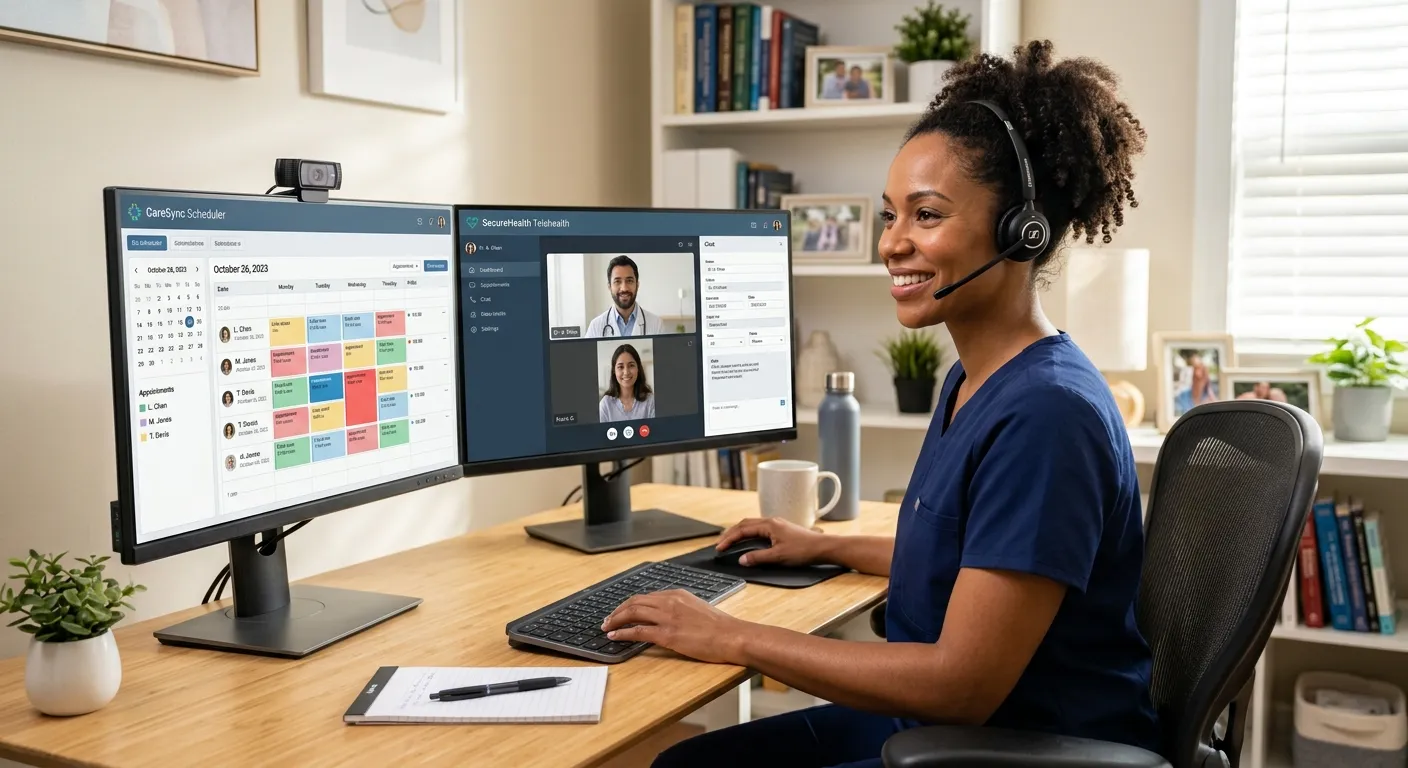
The Modern Medical Front Desk: A Multi-Faceted Role
The role of the Remote Medical Receptionist extends far beyond answering phones. Explore the core categories that define this pivotal position.
The Heart of Patient Experience
A Remote Medical Receptionist is often the first and most frequent human point of contact for patients. Their ability to manage this interaction remotely requires exceptional communication skills, empathy, and organizational prowess. They handle appointment scheduling, reminders, and pre-visit instructions, ensuring a seamless flow that reduces no-shows and maximizes clinician time.
This role is critical in managing patient inquiries, directing calls to the appropriate department (whether to an on-site nurse or a specialist found through healthcare staffing), and providing reassurance. In a remote context, they become ambassadors of your practice's culture, building trust and loyalty through every digital and phone interaction.
Pro-Tip:
Empower your remote receptionist with clear scripts and escalation protocols for distressed patients. This ensures consistency and safety, much like the defined safety roles for a Warehouse Safety Coordinator, creating a secure environment for all.
Backbone of Practice Operations
Beyond patient interaction, the administrative load is substantial. A skilled Remote Medical Receptionist manages electronic health record (EHR) updates, processes referrals and authorizations, verifies insurance eligibility, and handles basic billing inquiries. Their remote work demands high levels of self-motivation and proficiency with cloud-based practice management software.
This efficiency directly impacts revenue cycles and operational smoothness. By outsourcing this role to a dedicated professional, practices can avoid the overhead of physical space and equipment, reallocating resources to core medical services. This strategic approach to staffing is similar to how businesses use a specialized labour agency to efficiently scale their operational teams.
Navigating the Digital Landscape Securely
In 2026, data security and regulatory compliance are non-negotiable. A competent Remote Medical Receptionist must be thoroughly trained in HIPAA (or GDPR in the UK) compliance, understanding the protocols for secure communication, data handling, and privacy protection in a home-office environment.
They are the frontline users of telehealth platforms, patient portals, and secure messaging systems. Their technical troubleshooting skills can prevent minor IT issues from disrupting patient care. Investing in this skillset is as crucial as ensuring your temporary construction staff are certified for site safety—it's a fundamental requirement for risk management and smooth operation.
Why Hire a Remote Medical Receptionist? Key Benefits Unlocked
Embracing a remote front-desk model delivers measurable advantages for modern medical practices, clinics, and healthcare providers.
Significant Cost Reduction
Eliminate expenses for on-site workstations, office supplies, utilities, and local taxes. You pay for productive work hours only, transforming fixed costs into variable, scalable ones. This financial efficiency mirrors the advantage businesses gain when using a premier temp agency to manage labour costs effectively.
Access to a Wider Talent Pool
Geography is no longer a barrier. Source the best candidates from across the country, not just your local area. This allows you to find individuals with niche experience in specific EHR systems, specialty medicine, or multilingual capabilities that would be scarce locally, ensuring a perfect fit for your practice's needs.
Enhanced Flexibility & Coverage
Easily extend office hours, provide weekend coverage, or handle overflow calls without mandating overtime for on-site staff. A remote team can operate across time zones, ensuring your practice is always"open." This agility is key in today's market, much like the ability to secure an immediate sales representative to capture timely opportunities.
Improved Business Continuity
A distributed workforce is a resilient workforce. Weather local disruptions, illnesses, or infrastructure issues without shutting down your patient communication lines. Your remote receptionist can work from anywhere, ensuring your practice remains accessible—a critical advantage highlighted in our guide on strategic talent planning for 2026.
Increased Staff Satisfaction & Retention
Offering remote work is a powerful retention tool. It reduces burnout by eliminating commutes and provides a better work-life balance. Happy, stable administrative staff lead to consistent patient relationships and lower turnover costs, creating a positive cycle that benefits the entire practice.
Scalability on Demand
Easily scale your administrative support up or down based on seasonality, practice growth, or special projects. Partnering with a Medical Receptionist Recruitment Agency allows you to bring on temporary or temp-to-perm staff quickly, providing the same flexibility as finding immediate event staff for peak periods.
A Strategic Blueprint: How to Hire Your Ideal Remote Medical Receptionist
Finding the right candidate requires more than posting a job ad. It demands a strategic process that evaluates both hard skills and the soft skills essential for remote, patient-facing work.
- Define Core Competencies: List must-haves: EHR/PM software proficiency (e.g., Epic, Cerner), insurance verification experience, HIPAA certification, and impeccable phone etiquette.
- Assess Remote Readiness: Evaluate their home office setup, internet reliability, and self-discipline. Ask scenario-based questions about managing distractions and prioritizing tasks without direct supervision.
- Conduct Rigorous Vetting: Perform thorough background checks and reference checks focused on reliability, communication, and handling of sensitive information. A specialist Medical Receptionist Recruitment Agency excels at this due-diligence phase.
- Implement a Structured Onboarding: Create a comprehensive remote onboarding program covering your tech stack, communication protocols, practice culture, and compliance policies to ensure a fast, effective start.
Expert Insight: The Partner Advantage
The complexity of hiring for such a critical, specialized remote role is why many successful practices partner with a dedicated Medical Receptionist Recruitment Agency. These agencies pre-vet candidates for both skill and remote-work aptitude, manage payroll and compliance complexities, and provide replacement guarantees.
This partnership model reduces your administrative burden and hiring risk, allowing you to focus on patient care. It's a proven strategy across sectors, from securing professional cleaning staff to filling high-tech operational roles. The right agency acts as an extension of your HR department, dedicated to your long-term staffing success.
Video: Learn what separates elite staffing agencies from the rest.
Frequently Asked Questions: Remote Medical Receptionists
Get clear, actionable answers to the most common questions about integrating a virtual front-desk professional.
Compliance is non-negotiable. Ensure they use a secure, HIPAA-compliant VoIP phone system, encrypted messaging, and a VPN for accessing any practice systems. Provide mandatory annual training, require a dedicated, private workspace, and implement strict data access controls. A reputable Medical Receptionist Recruitment Agency will only supply candidates who are already trained and vetted on these critical protocols, significantly reducing your compliance risk.
Savings typically range from 20% to 40% when factoring in eliminated overhead (desk, computer, software licenses, benefits, payroll taxes, utilities). You pay for productive time only. There are also significant savings from reduced turnover and more efficient scheduling that fills more appointment slots. This direct impact on the bottom line is a key focus in modern healthcare workforce solutions.
Absolutely. These are core competencies. They can send secure digital intake forms via patient portals, follow up on missing information, verify insurance eligibility in real-time, and answer basic billing questions by accessing the practice management system. For complex billing issues, they triage and escalate to a dedicated medical biller, ensuring efficient workflow—similar to how a specialized finance professional handles complex accounts.
Use dedicated tools: Slack or Teams for instant messaging, Asana or Trello for task management, and Zoom for daily huddles or weekly one-on-ones. Establish clear communication protocols (e.g., response time expectations). Integrate them into your team culture with virtual meetings and check-ins. Successful remote management is a skill we emphasize across all roles, from skilled trades to life science professionals.
This is a key advantage of working with a recruitment agency. Reputable agencies offer a guarantee period (e.g., 30-90 days) where they will provide a replacement at no extra cost if the candidate doesn't work out. This safety net protects your practice from disruption and ensures you find the right long-term fit, providing peace of mind that's invaluable in critical frontline roles.
Ready to Transform Your Practice's Front Desk?
Stop wrestling with staffing gaps and operational inefficiencies. Partner with experts who understand the unique demands of healthcare administration in a digital age. Hire a pre-vetted, compliant, and highly skilled Remote Medical Receptionist and unlock new levels of patient satisfaction and practice growth.
Need immediate support? Our team specializes in connecting practices with elite remote administrative talent. Find your local consultant or browse recent placements to see our track record.
Remote Medical Receptionist vs. General Virtual Assistant vs. AI Chatbot
As healthcare practices become more digital, hiring teams often compare three options: a remote medical receptionist, a general virtual assistant, and an AI chatbot. Each can reduce workload, but they are not interchangeable. A remote medical receptionist is trained specifically for clinical workflows, patient privacy, insurance verification, appointment triage, and provider communication. A general virtual assistant may handle emails or calendars, but may not understand medical terminology, HIPAA boundaries, or how to respond to urgent patient symptoms. An AI chatbot can answer FAQs and capture basic details, but it cannot replace human judgment when a patient is anxious, confused, or describing a potentially urgent issue.
Remote Medical Receptionist
Best for practices needing a secure, human-led front desk that can manage phones, scheduling, referrals, insurance checks, and patient follow-up with clinical empathy. Ideal for clinics with high call volume, multiple providers, and complex scheduling rules.
General Virtual Assistant
Useful for low-risk administrative tasks such as inbox management, data entry, or basic calendar coordination. Risk increases if the assistant is asked to handle protected health information, medical triage, or insurance disputes without clinical training.
AI Chatbot
Strong for after-hours FAQs, appointment reminders, and intake prompts. It works best when paired with a human receptionist who can review flagged messages, answer nuanced questions, and escalate urgent cases.
The strongest model in 2026 is often hybrid: AI assists with repetitive tasks, while a trained remote receptionist handles exceptions, patient trust, and compliance-sensitive interactions.
Build a Job Description That Attracts Qualified Remote Medical Receptionists
A clear job description is the first filter for quality. Instead of a generic post, define the exact remote environment, software stack, and patient-facing expectations. Practices that succeed usually describe not only duties, but also the tone of communication required for the specialty. A dermatology practice may need concise scheduling language, while a mental health clinic may require trauma-informed communication and confidentiality awareness.
Core Responsibilities
- Answer inbound calls, emails, and portal messages using a professional, empathetic tone.
- Schedule, reschedule, and cancel appointments according to provider rules and clinical priorities.
- Verify insurance eligibility and communicate copay or authorization expectations clearly.
- Send secure digital intake forms and follow up on missing patient information.
- Manage provider calendars, referral routing, and internal message queues.
- Prepare daily schedules and flag urgent patient needs before providers begin their day.
- Follow up on no-shows, waitlists, and recall appointments to protect revenue.
- Maintain HIPAA or GDPR compliance in every interaction and documentation step.
Required Qualifications
- One or more years of healthcare administrative or front desk experience.
- HIPAA or regional privacy training with practical application.
- Proficiency with EHR or practice management software, such as Epic, Cerner, Athena, or similar platforms.
- A quiet, private home office with secure storage for devices and documents.
- Reliable high-speed internet and backup connectivity where possible.
- Strong written and verbal communication skills, especially for anxious or frustrated patients.
Preferred Skills
- Multilingual abilities to serve diverse patient populations.
- Specialty experience in pediatrics, behavioral health, dentistry, oncology, or urgent care.
- Prior remote work experience with strong self-management.
- Familiarity with call center metrics and quality monitoring.
- Basic medical billing or insurance authorization knowledge.
- Experience using patient portals, telehealth platforms, and secure messaging tools.
Including these details helps attract candidates who can operate independently and avoids hiring someone who needs constant supervision.
Case Studies: How Remote Receptionists Solved Real Practice Problems
The following examples show how remote receptionists solve common operational problems.
Family Medicine Clinic: Reducing Call Backlog
A five-provider family practice in the Midwest was losing patients to voicemail during lunch and early mornings. They hired two remote receptionists for staggered shifts: one for 7:00 a.m. to 3:00 p.m. and another for 11:00 a.m. to 7:00 p.m. The receptionists handled appointment requests, medication refill triage, lab result routing, and same-day scheduling. Within 60 days, abandoned calls dropped by 42%, and the practice recovered an estimated 18 additional appointments per week.
Dental Group: Managing Insurance and Recall
A dental group with three locations struggled with insurance verification and low recall rates. Remote receptionists began calling patients before appointments, confirming eligibility, collecting copays through secure links, and scheduling hygiene recalls. Because the team specialized in dental terminology and insurance plans, front desk staff on site spent less time on phone work and more time checking patients in. The group saw a 28% increase in completed recall visits and fewer insurance-related appointment delays.
Telehealth Startup: Scaling Without Office Space
A behavioral health telehealth startup needed patient coordination but wanted to avoid leasing office space. They hired remote receptionists trained in secure messaging, crisis escalation pathways, and provider availability. The receptionists managed new patient onboarding, insurance pre-checks, and follow-up scheduling, while AI reminders reduced no-shows. The company scaled to 24 providers without building a physical administrative hub, and patient satisfaction scores improved because calls were answered promptly by trained staff.
Key Performance Indicators for Remote Medical Receptionists
Remote receptionists should be managed with the same operational rigor as on-site staff. Practices that measure performance improve faster and reduce surprises.
Call Abandonment Rate
Track how often patients hang up before reaching a receptionist. A high rate often signals staffing gaps, poor routing, or peak-hour coverage issues.
Scheduling Conversion Rate
Measure how many phone or portal inquiries become booked appointments. This reveals whether the receptionist can effectively guide patients through options, insurance questions, and provider availability.
No-Show Reduction
Compare no-show rates before and after implementing reminders, confirmation calls, and waitlist outreach. Small improvements can create significant revenue recovery.
Documentation Accuracy
Audit appointment notes, referral routing, and insurance fields. Errors at the front desk often become billing problems or clinical workflow delays later.
Patient Satisfaction
Use post-call surveys or review sentiment. Patients rarely separate the reception experience from the practice overall, so tone and clarity matter.
Compliance Incidents
Track privacy-related issues such as sending information to the wrong patient or using unsecured channels. A strong remote program should trend toward zero incidents.
First 30 Days: A Remote Medical Receptionist Onboarding Plan
Onboarding is where remote hires either succeed or struggle. A structured 30-day plan prevents confusion and builds confidence.
-
Week 1: Systems, Safety, and Shadowing
The first week should focus on access and awareness. The receptionist receives credentials, VPN setup, HIPAA training, emergency protocols, and a tour of the practice’s EHR, phone system, and patient portal. They shadow calls, review scripts, and learn the provider schedule. The goal is not productivity; it is accuracy and safety.
-
Week 2: Supervised Live Work
In week two, the receptionist handles simple calls and scheduling tasks while a supervisor reviews notes. They practice insurance verification, appointment confirmation, and message routing. Escalation rules are reinforced: if a patient describes chest pain, suicidal thoughts, severe bleeding, or medication confusion, the receptionist follows the defined pathway immediately.
-
Week 3: Independent with Quality Checks
By week three, the receptionist can manage a full call queue with periodic audits. Leadership checks documentation, response times, and tone. This is also the best time to introduce metrics, such as target answer speed and scheduling conversion, so the employee understands expectations.
-
Week 4: Optimization and Feedback
The final week includes a review of common issues, such as difficult patients, insurance gaps, or software bottlenecks. The receptionist provides feedback on what slowed them down, and the practice adjusts scripts, FAQs, or workflows. This turns onboarding into a continuous improvement cycle.
Common Hiring Mistakes to Avoid
Even practices with good intentions can make avoidable hiring errors.
Hiring a Generalist for a Clinical Role
A virtual assistant without healthcare training may accidentally mishandle protected information, misunderstand provider availability, or escalate non-urgent cases incorrectly. This creates compliance and patient experience risk.
Assuming Remote Work Means Less Supervision
Remote staff need more clarity, not less. Define response times, call handling standards, documentation rules, and weekly check-ins. Without structure, small problems become systemic.
Skipping the Technology Test
Before hiring, require a short practical test: schedule an appointment, verify insurance details in a sample system, draft a secure patient message, and answer a simulated call. This reveals competence faster than a resume alone.
Overlooking Timezone and Coverage Gaps
A remote receptionist in a different timezone can be an advantage, but only if the practice plans overlapping hours. Patients expect timely answers during business hours, and providers need urgent messages routed correctly.
Neglecting Escalation Documentation
Every remote front desk should have a written matrix for urgent symptoms, billing disputes, angry patients, and technical failures. When everyone knows the next step, the practice avoids chaos and protects patients.
Treating the Role as Temporary Only
Some practices hire a remote receptionist for short-term coverage and never build long-term workflow ownership. Even temporary placements should receive clear KPIs, training, and feedback so they can deliver consistent patient experiences.
2026 Trends Shaping the Remote Medical Front Desk
The remote receptionist role is becoming more strategic. AI will handle routine reminders, intake prompts, and FAQ responses, but human receptionists will focus on judgment, empathy, and exception management. Practices are also adopting omnichannel communication, combining phone, SMS, email, and secure portal messaging under one workflow.
Privacy-First Home Office Standards
More agencies and practices will require locked devices, noise-canceling headsets, private workspaces, and access logs for every remote employee.
Specialized Remote Pods
Instead of one receptionist serving every task, practices may build small remote teams focused on scheduling, insurance, referrals, and patient outreach.
Data-Driven Front Desk Management
Dashboards will show call volume, conversion, no-shows, and patient sentiment in real time, helping practices adjust staffing before problems grow.
Human-Plus-AI Workflows
The strongest practices will use AI to summarize calls, suggest next actions, and flag urgent messages, while the remote receptionist maintains the patient relationship and clinical safety checks.