


Find & Hire Elite Sous Chefs: The Definitive Guide to Culinary Staffing Excellence
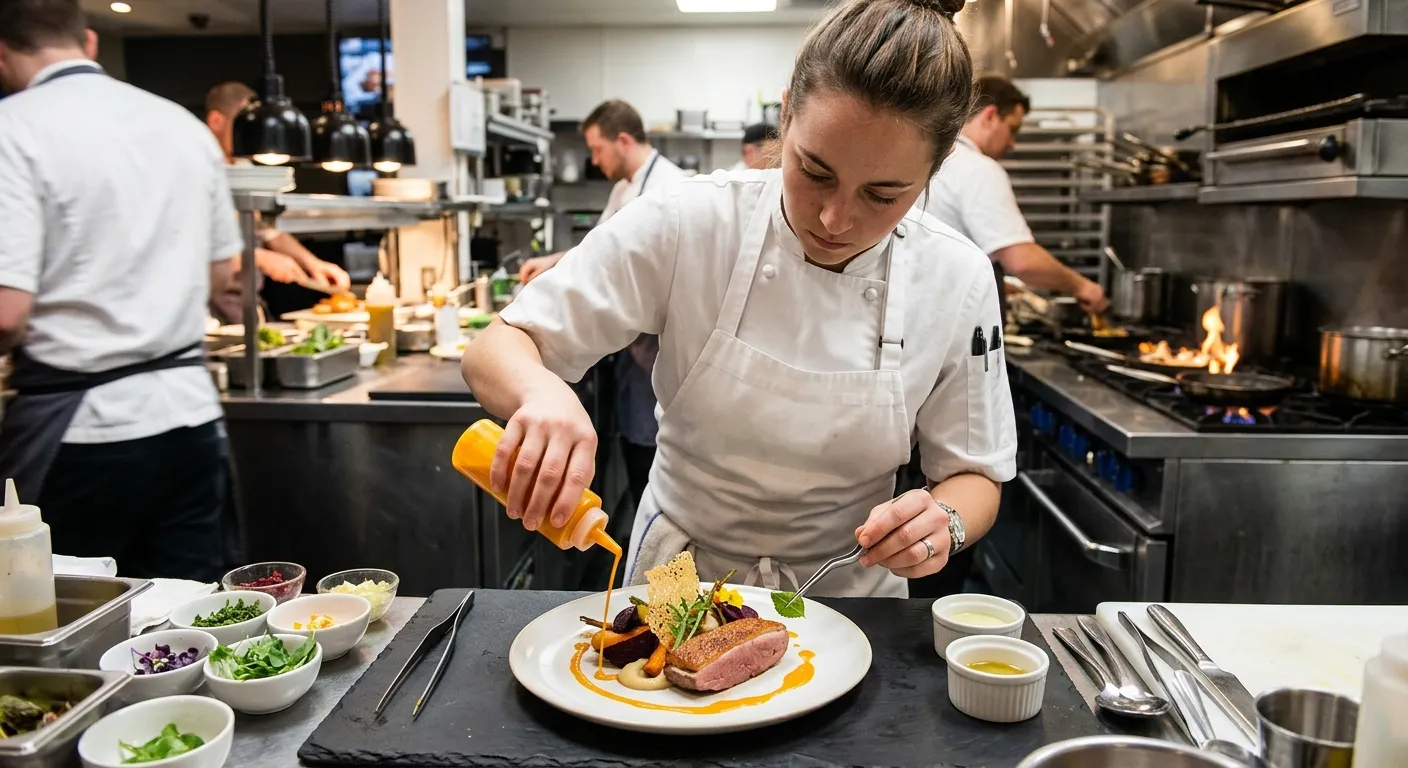
Discover how securing the right Sous Chef For Hire can transform your kitchen's efficiency, elevate your menu, and drive profitability. This comprehensive guide covers sourcing, vetting, and integrating top-tier culinary talent for restaurants, hotels, and exclusive events.
Your Strategic Sous Chef Hiring Toolkit
Navigate the complexities of culinary recruitment. Use the tabs below to explore critical aspects of hiring a sous chef, from defining your needs to onboarding success.
Crafting the Perfect Sous Chef Job Profile
Before you post a job, you must crystallize what you need. A sous chef's role varies dramatically between a fine-dining establishment, a high-volume hotel, and a catering company. Start by auditing your kitchen's current weaknesses. Is it consistency during peak service? Menu development? Cost control on inventory? Your ideal Sous Chef For Hire should be the solution to your most pressing operational challenges.
Create a detailed specification that goes beyond"must have 5 years experience." List required technical skills (butchery, pastry, specific cuisine expertise), essential soft skills (leadership under pressure, training ability, communication with FOH), and non-negotiable attributes (food safety certification, flexibility for weekends). This clarity not only attracts the right candidates but also streamlines your screening process, much like defining precise requirements for Warehouse Safety Coordinator roles ensures site compliance and efficiency.
Pro-Tip: The Skills Gap Analysis
Conduct a formal gap analysis comparing your Head Chef's strengths with the kitchen's demands. The ideal sous chef candidate should complement the Head Chef, filling skill and personality gaps to create a cohesive, unstoppable leadership team.
Where to Find Top-Tier Culinary Talent
The best sous chefs are rarely actively browsing generic job boards. You need a multi-channel sourcing strategy. Specialist hospitality recruitment agencies, like those used to find Professional Cleaners in London, have deep networks of pre-vetted professionals. Leverage industry-specific platforms like Caterer.com, and don't underestimate the power of LinkedIn for sourcing passive candidates.
Vetting is where the real work begins. A polished CV and a staged Instagram portfolio are not enough. Implement a rigorous verification process:
- Reference Checks: Speak to former Head Chefs or employers. Ask about consistency, reaction to stress, and ability to manage food costs.
- Skill Validation: Request a portfolio of menu designs, food cost spreadsheets, or sanitation audit results they've managed.
- Cultural Fit Assessment: Does their leadership style align with your kitchen's culture? A militaristic sous chef may destroy morale in a collaborative team.
The Practical Interview & Stage (Trial Shift)
The interview for a sous chef must be a practical, multi-stage evaluation. A traditional sit-down interview is only the first step. You must see them in action. A paid"stage" or trial shift is industry-standard and non-negotiable for a Sous Chef For Hire.
Structure the trial to test specific competencies: Can they execute the mise en place for a busy service efficiently? How do they communicate and correct a junior commis chef? Can they step in and expedite during the peak hour? Observe not just their technical skill, but their demeanor, their organizational method, and how they integrate with your existing team. This hands-on approach is similar to assessing Temporary Construction Workers on-site to verify their practical abilities and safety awareness before a long-term commitment.
Seamless Onboarding for Long-Term Success
Hiring is only half the battle; retention is key. A structured onboarding program is crucial for a new sous chef. This isn't just a tour of the walk-in fridge. Provide full documentation: standard operating procedures (SOPs) for every station, recipe books with exact costing, supplier lists, and team profiles. Schedule one-on-one meetings with the Head Chef, General Manager, and key line cooks in the first week.
Set clear 30, 60, and 90-day goals. These could include:"Reduce food waste by 5%,""Implement a new staff training schedule," or"Develop two new seasonal specials." Regular feedback and a clear path for growth are the strongest retention tools. Investing in your leadership team's integration is a strategic move that pays dividends, much like the long-term planning discussed in our resource on how to Optimize Hiring For 2026.
The Tangible Benefits of Hiring a Premier Sous Chef
Beyond just managing a shift, a world-class sous chef delivers measurable value across your entire operation.
Enhanced Profitability & Cost Control
A skilled sous chef is your frontline defense against profit leakage. They enforce precise portioning, manage inventory to reduce waste, negotiate with suppliers, and execute recipe costing with accuracy. This direct impact on your gross margin can mean the difference between a struggling and a thriving business.
Elevated Culinary Consistency & Innovation
They ensure every plate that leaves the kitchen matches the Head Chef's vision, every single time. Furthermore, a great sous chef brings creative ideas to the table, assisting with seasonal menu development and specials that keep your offering fresh and exciting for returning customers.
Operational Resilience & Head Chef Support
They provide crucial cover for the Head Chef, preventing burnout and ensuring smooth operation during days off or emergencies. They act as a bridge between management and the kitchen brigade, improving communication, training junior staff, and maintaining morale and discipline. This creates a resilient, scalable operation.
Permanent vs. Temporary Sous Chef: Choosing Your Hiring Model
Your business model, seasonality, and specific project needs will dictate whether you seek a permanent hire or a temporary specialist. Understanding the nuances of each is critical for making a cost-effective decision.
The Permanent Sous Chef
Ideal For: Established restaurants, hotels with consistent banquet operations, and concepts with a deep, evolving culinary identity. A permanent Sous Chef For Hire becomes an integral part of your business's DNA.
Advantages:
- Deep Institutional Knowledge: They learn your systems, suppliers, and team intimately, leading to greater efficiency over time.
- Long-Term Team Building: They can mentor and develop junior staff, building a stronger kitchen culture.
- Strategic Partnership: They invest in the long-term success of the menu and business, contributing to multi-year planning.
Considerations: Requires a significant commitment in salary, benefits, and onboarding resources. The recruitment process is more intensive, as a bad permanent hire is costly to rectify.
The Temporary/Contract Sous Chef
Ideal For: Seasonal operations (e.g., summer resorts, Christmas events), covering extended leave (maternity/paternity, sabbatical), special projects (menu overhauls, restaurant launches), or managing unexpected gaps in leadership.
Advantages:
- Immediate Expertise & Flexibility: Access highly skilled professionals for a defined period without long-term obligation.
- Project-Specific Skills: Hire a chef with exact expertise for a need, like vegan cuisine for a menu revamp.
- Cost-Effective for Short-Term Needs: Avoids the full burden of permanent employment costs. Ideal for testing a new concept or managing peak demand.
Considerations: May have less long-term investment in your team's culture. Requires excellent, condensed onboarding. Sourcing reliable temporary culinary talent often benefits from a specialist agency, similar to how businesses secure Temporary Warehouse Staff for surge periods.
Pro-Tip: The Hybrid Solution
Consider a"Temp-to-Perm" arrangement. Hire a sous chef on a fixed-term contract with a view to a permanent position. This provides a risk-free extended trial period for both parties. You can assess their real-world performance and cultural fit, while they can evaluate if your establishment is the right long-term home. This model combines the flexibility of temporary staffing with the pathway to permanent stability.
Sous Chef Hiring: Frequently Asked Questions
Get expert answers to the most common questions about recruiting and hiring a sous chef.
Salaries vary significantly by location, establishment type, and candidate experience. In major cities like London, a sous chef can expect £28,000 - £42,000 per annum. In high-end Michelin-starred restaurants or prestigious hotels, this can exceed £50,000. For temporary/contract roles, daily rates typically range from £120 to £250. Always benchmark against local market rates and consider the total compensation package, including tips, bonus potential, and benefits.
At a minimum, a valid Food Hygiene and Safety Certificate (Level 3) is non-negotiable for a leadership role. Many employers also require a Health and Safety Certificate and a Fire Safety Awareness certificate. For certain environments, Allergen Awareness training is critical. While not always a formal certification, proven experience in HACCP (Hazard Analysis Critical Control Point) systems is a major advantage. Just as specialized roles like CSCS Labourers require specific cards, these certifications are your baseline for safety and compliance in the kitchen.
For a permanent role, plan for a 4 to 8-week process from job posting to offer acceptance. This includes 1-2 weeks for sourcing and initial screening, 1-2 weeks for first and second interviews, scheduling and evaluating a paid trial shift, conducting thorough reference checks, and final negotiations. For a temporary Sous Chef For Hire, a specialist agency can often place a qualified professional within 1 to 2 weeks, similar to the speed of filling Concert Staff Jobs for an upcoming event. Rushing the process increases the risk of a costly mis-hire.
While both require assessing soft skills and cultural fit, the evaluation methods differ starkly. For a sous chef, the practical, hands-on trial shift is the cornerstone of the hiring process—it's the equivalent of a live skills audit. The high-pressure, real-time environment of a kitchen service cannot be simulated in an interview. In contrast, roles like School Receptionist Jobs Birmingham might place greater emphasis on scenario-based interview questions, formal qualifications (e.g., specific admin certifications), and a longer-term assessment of interpersonal skills in a less immediately volatile environment. Both are critical hires, but the"proof of skill" is demonstrated in fundamentally different ways.
Be wary of: 1) Vague answers about food cost percentages or waste reduction strategies – a good sous chef thinks financially. 2) Inability to describe a specific instance of training or mentoring a junior colleague. 3) Speaking negatively about every former employer – this often indicates a problematic attitude. 4) Lack of curiosity – they should ask detailed questions about your suppliers, menu philosophy, and team structure. 5) Poor timekeeping or preparedness for the interview/trial. Punctuality and organization are paramount in a kitchen.
Ready to Transform Your Kitchen Leadership?
Stop struggling with inconsistent service, high food costs, and Head Chef burnout. The right Sous Chef For Hire is the strategic investment that elevates your entire operation. Whether you need a permanent cornerstone for your team or a temporary expert to navigate a busy season or special project, taking action today will define your success tomorrow.
Our platform connects you with a curated network of pre-vetted, highly skilled culinary professionals. From fine dining specialists to high-volume catering experts, find the perfect match for your unique needs. Don't just fill a position—solve your operational challenges and build a stronger, more profitable kitchen.
Hire Your Elite Sous Chef TodayPost your job in minutes. Connect with talent in days.