The Definitive Guide to Hiring a Top-Tier Front Desk Medical Assistant
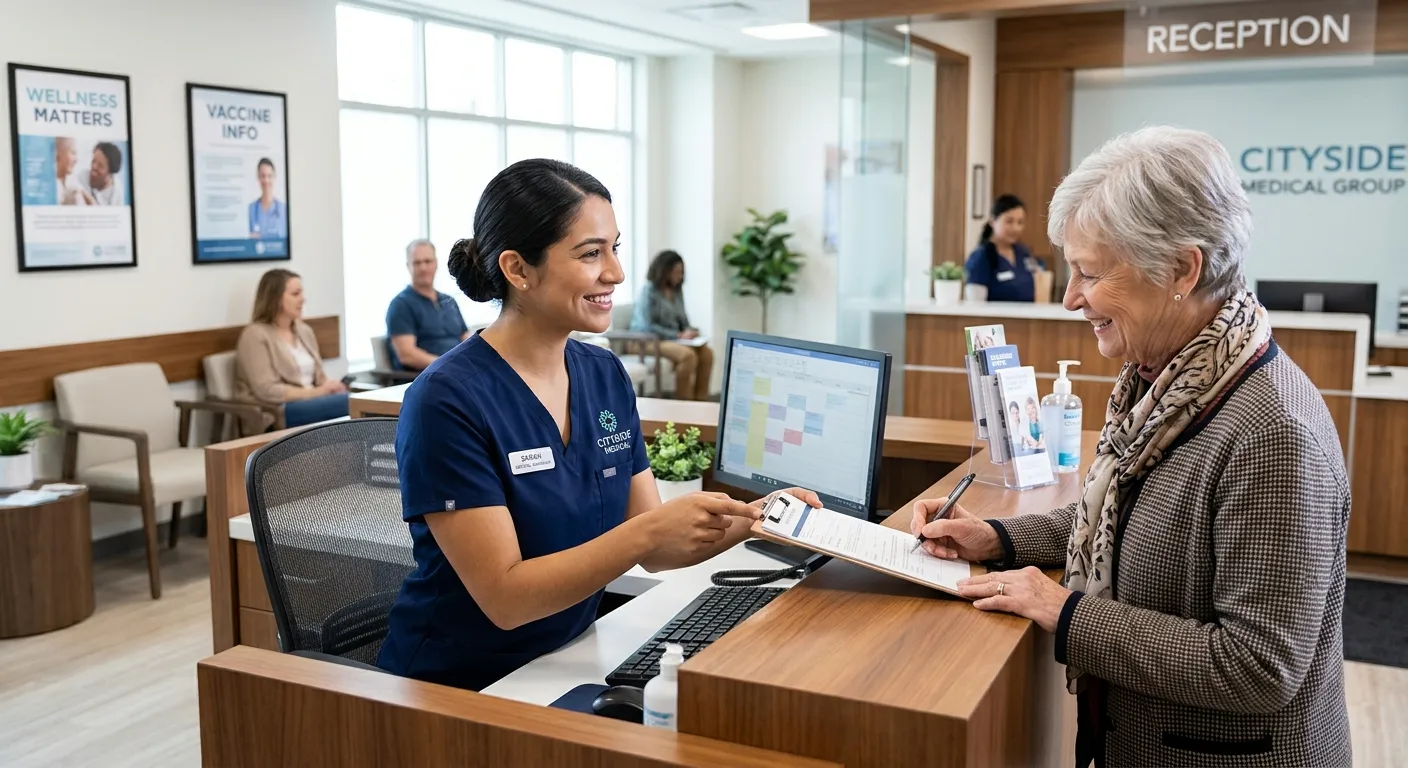
The Front Desk Medical Assistant is the heartbeat of any successful healthcare practice. Acting as the first point of contact, they set the tone for patient experience, manage critical administrative workflows, and ensure the seamless operation of your clinic. This comprehensive guide delves into the essential skills, hiring strategies, and management practices needed to secure and retain this pivotal role.
Multi-Category Role Overview
Essential Skills & Competencies
A proficient Front Desk Medical Assistant blends technical know-how with exceptional interpersonal abilities. Mastery of Electronic Health Records (EHR) systems like Epic or Cerner is non-negotiable, as is a firm grasp of medical billing codes and insurance verification processes. Beyond software, they must possess stellar communication skills to de-escalate patient concerns, explain complex procedures simply, and liaise effectively with clinicians. High emotional intelligence and meticulous attention to detail are paramount, ensuring accuracy in patient data and scheduling.
- Technical Proficiency: EHR/EMR software, medical office management suites, basic IT troubleshooting.
- Administrative Expertise: Appointment scheduling, medical records management, insurance pre-authorizations.
- Interpersonal Mastery: Active listening, empathetic communication, conflict resolution, and professional phone etiquette.
- Organizational Acumen: Multi-tasking in a fast-paced environment, managing patient flow, and maintaining strict confidentiality (HIPAA compliance).
A Day in the Life: Key Responsibilities
The role is dynamic, shifting from task to task with patient needs. A typical day begins with opening the clinic, preparing the reception area, and reviewing the day's schedule. They are responsible for greeting patients warmly, checking them in, verifying and updating demographic and insurance information, and collecting co-pays. They manage phone lines, fielding inquiries, scheduling appointments, and relaying messages to clinical staff. They also handle patient correspondence, prepare charts for the day, and assist with basic clinical tasks like taking vitals or preparing examination rooms, depending on the practice's scope.
The Strategic Impact on Your Practice
An exceptional Front Desk Medical Assistant directly influences patient retention, clinic revenue, and operational efficiency. They reduce no-show rates through effective reminder systems and streamline billing cycles with accurate insurance capture. Their ability to manage patient flow prevents clinician downtime and reduces wait times, directly boosting patient satisfaction scores. In essence, they are a revenue protector and a brand ambassador, whose performance can significantly affect your practice's reputation and bottom line. For a holistic view of building a resilient team, consider insights from our strategic guide on Optimize Hiring For 2026.
Why a Premier Front Desk Medical Assistant is Non-Negotiable
Enhanced Patient Experience & Loyalty
The first and last impression of your clinic hinges on this role. A compassionate, efficient assistant reduces patient anxiety, builds trust, and fosters long-term loyalty, directly impacting patient retention rates and positive online reviews.
Optimized Operational Efficiency
They are the central hub for clinic logistics. By expertly managing schedules, paperwork, and communication, they minimize clinician idle time, prevent administrative bottlenecks, and ensure resources are used effectively, much like the coordination needed for concert staff or complex event operations.
Revenue Cycle Management & Protection
Accurate insurance verification, co-pay collection, and clean claim submission start at the front desk. A skilled assistant directly reduces claim denials, accelerates reimbursement, and protects the practice's financial health, a responsibility as critical as any finance assistant role.
A Strategic Blueprint for Hiring Your Front Desk Medical Assistant
Finding the right candidate requires a move beyond traditional job boards. It demands a strategic approach that targets individuals with the unique blend of clerical skill and clinical empathy.
Crafting the Perfect Job Description
Your job description is your first filter. Be specific about required certifications (e.g., Certified Medical Administrative Assistant - CMAA), required experience with specific EHR software, and soft skills like"ability to maintain composure under pressure." Highlight your clinic's culture and the impact the role has. For specialized needs, partnering with expert Care Agencies can provide access to pre-vetted talent pools familiar with healthcare's unique demands.
Pro-Tip: Incorporate scenario-based questions into your interview process. Ask"How would you handle a patient who is upset about a long wait time?" or"Walk me through how you verify a patient's insurance for a new referral." Their answers reveal problem-solving skills and patient-centric thinking.
Master the art of interviewing to identify the best candidates.
Where to Source Top Talent
- Specialized Healthcare Staffing Agencies: Leverage agencies that understand clinical workflows and compliance requirements. Explore our dedicated Healthcare Staffing in London solutions for metropolitan areas.
- Vocational Schools & Community Colleges: Tap into fresh talent from accredited medical assistant programs.
- Professional Networks: LinkedIn groups for medical office professionals and local healthcare association meetings.
- Internal Referrals: Encourage referrals from your best clinical staff—they understand the role's demands.
Just as you would seek a premier housekeeping staff agency for specialized cleaning expertise, finding the right Front Desk Medical Assistant often requires a partner with specific sector knowledge.
Investing in Success: Training & Retention Strategies
Hiring is only the first step. A structured onboarding and continuous development program is crucial for retention and peak performance.
Structured Onboarding & Continuous Training
Week 1 should focus on culture, software logins, and shadowing. Weeks 2-4 involve gradual task ownership under supervision. Implement regular check-ins at 30, 60, and 90 days. Provide ongoing training on new software features, updates to insurance regulations, and advanced customer service techniques. Cross-training on back-office clinical support can also increase engagement and provide coverage flexibility.
This investment mirrors the approach needed for other skilled roles, such as ensuring temporary construction workers are fully briefed on site-specific safety protocols.
Creating a Culture of Retention
Front desk staff can experience burnout due to high patient interaction and administrative pressure. Foster retention by:
- Recognizing Their Value: Publicly acknowledge their role in positive patient feedback.
- Providing Clear Pathways: Show how they can advance to lead roles, office management, or other specialties within healthcare.
- Empowering Decision-Making: Allow them autonomy within defined boundaries to resolve routine patient issues.
- Competitive Compensation & Benefits: Regularly benchmark salaries against local healthcare providers and Care Agencies.
Frequently Asked Questions
While technical skills are vital, emotional intelligence and communication are paramount. They must simultaneously manage a ringing phone, a patient checking in, and a clinician's request, all while maintaining a calm, empathetic demeanor. The ability to de-escalate tension, listen actively, and convey information clearly directly affects patient satisfaction and clinic harmony.
Aim for a balance. Core administrative experience (scheduling, basic billing) is often trainable if the candidate is tech-savvy. However, a naturally compassionate, patient-centric personality and alignment with your clinic's values are harder to teach. A candidate who is a great culture fit but lacks some experience can be a better long-term investment with proper training, similar to how strategic recruitment in London often prioritizes potential and fit.
They are revenue cycle gatekeepers. Key actions include: meticulously verifying insurance eligibility to prevent claim denials, accurately collecting patient co-pays and outstanding balances at the time of service, efficiently managing the schedule to minimize no-shows and fill last-minute cancellations, and ensuring all patient encounter forms are complete for coding. Their diligence directly translates into cleaner claims and faster cash flow.
Address issues immediately and specifically. Use objective data:"I've noticed three scheduling errors this week" rather than"You're making mistakes." Determine if it's a training gap (provide targeted re-training), a resource issue (do they need a quicker reference guide?), or a motivational problem. Have a clear, documented improvement plan with regular follow-ups. For persistent issues, having a reliable pipeline from specialized Care Agencies ensures business continuity, much like having access to expert labour crews for project-based work.
Ready to Transform Your Clinic's Front Desk?
Don't let an understaffed or underperforming reception area compromise your patient care or your revenue. The right Front Desk Medical Assistant is a strategic asset waiting to be unlocked.
Whether you need a permanent hire, temporary cover for leave, or are looking to hire specialist care staff across your organization, taking the next step is simple.
Hire Your Front Desk Medical Assistant TodayConnect with pre-vetted, qualified candidates swiftly. Post your job and start interviewing in days, not weeks.
The Financial Anatomy: Quantifying the Front Desk ROI
Understanding the direct and indirect financial impact of a Front Desk Medical Assistant moves this role from an administrative cost center to a measurable profit protector. Let's break down the numbers.
Revenue Protection: The Denial Dashboard
A single insurance verification error can lead to a claim denial, costing a practice an average of $25-$50 in rework and delayed payment. A top-performing assistant, with a 99% accuracy rate on data entry, can prevent hundreds of denials annually.
Case in Point: A mid-sized family practice reduced its denial rate by 18% within one quarter after implementing a new front-desk verification protocol and targeted software training, recapturing approximately $42,000 in otherwise lost or delayed revenue.
Efficiency Gains: The Schedule Optimizer
Clinician time is your most valuable asset. A front desk assistant who expertly manages cancellations, fills gaps, and sequences appointments properly (e.g., placing complex new patients at the start of a session) can increase daily patient volume by 5-10% without extending hours.
This proactive management directly translates to increased billable hours, mirroring the logistical precision required in warehouse staff agency operations for peak efficiency.
Patient Lifetime Value (LTV) Enhancement
The initial patient experience dictates retention. A positive front desk interaction increases the likelihood of a patient returning for annual care and referrals. A 10% increase in patient retention can boost a practice's value by over 30% due to the reduced cost of acquiring new patients.
Investing in a skilled assistant is an investment in maximizing the LTV of every patient who walks through your door.
Beyond the EHR: Essential Technology Stack for 2024
Modern clinic efficiency requires a suite of integrated tools that empower your front desk staff. Mastery of these platforms is now a core competency.
The Digital Front Desk Toolkit
-
📱
Integrated Patient Portals
Platforms like MyChart or FollowMyHealth reduce check-in time by 70%. Assistants must be adept at enrolling patients, troubleshooting login issues, and encouraging portal use for scheduling and paperwork.
-
🤖
AI-Powered Scheduling & Triage Bots
Tools like Qure4u or Klara handle after-hours appointment requests and basic symptom checking. The front desk assistant manages the hand-off, reviewing bot-collected data for accuracy before clinician review.
-
📊
Real-Time Analytics Dashboards
Software like Azara Healthcare or EHR-native dashboards allow assistants to monitor no-show rates, patient wait times, and check-in duration. This data empowers them to make real-time adjustments, such as sending a batch of reminder texts if no-shows spike.
Security & Compliance Corner
With great tech comes great responsibility. Front desk staff are the first line of defense against data breaches. Continuous training on HIPAA-compliant communication (e.g., secure messaging vs. standard email), phishing recognition, and proper device logout protocols is non-negotiable. Their vigilance is as critical as any security staff in protecting your practice's integrity.
From Theory to Practice: Real-World Scenarios & Solutions
The Overbooked Monday Morning
Situation: It's 9:15 AM. Two patients arrived late, the 9:00 AM patient required extra check-in time due to an insurance issue, and a walk-in with an urgent but non-emergent concern is at the desk. The phone is ringing.
Inefficient Response: The assistant frantically tries to process everyone at once, leading to rushed errors, a cold demeanor, and longer delays.
Expert Response: A trained assistant immediately:
- Acknowledges the walk-in with empathy, assesses urgency, and offers a specific callback time if they can be seen later.
- Quietly alerts the clinician or clinic manager of the 10-minute schedule cascade.
- Processes patients in order of their original appointment time, using a pre-prepared script to politely inform later arrivals of a brief wait.
- Answers the phone with a calm tone, placing the caller on a brief hold if necessary.
Outcome: Order is restored. Patients feel heard, not ignored. The clinician is informed, not blindsided. This is the triage mindset in action.
The Delicate Financial Conversation
Situation: A patient checks out and is presented with a $250 balance for an uncovered procedure. The patient becomes visibly upset, stating they were told it would be covered.
Inefficient Response:"The computer says you owe it. You'll have to pay today."
Expert Response: The assistant employs the L.E.A.P. method:
- Listen:"I hear this is unexpected and frustrating. Let me look into this with you."
- Explore: Reviews the pre-authorization notes and the original estimate given."I see we received an estimate of coverage from your insurer, but the final claim processed differently."
- Align & Propose:"My goal is to help resolve this. Would it be helpful if I printed a detailed summary for you to contact your insurer? In the meantime, we can set up a payment plan that causes no hardship."
Outcome: The patient feels supported, not attacked. The practice maintains a positive relationship and still moves toward collecting the balance. This skill prevents patient attrition.
Building a Ladder: Career Pathing for Front Desk Talent
Top talent seeks growth. Outlining clear progression pathways within your practice is a powerful retention tool and reduces costly turnover.
Tier 1: Medical Receptionist / Front Desk Assistant
Focus: Mastery of core check-in/out, scheduling, phone etiquette, and basic EHR data entry. Expected tenure: 6-18 months.
Development Goal: Obtain a certification like the CMAA (Certified Medical Administrative Assistant) and cross-train on basic clinical support tasks.
Tier 2: Lead Front Desk Coordinator / Patient Access Specialist
Focus: Handles complex scheduling, insurance authorizations, patient complaint resolution, and onboarding/training of new front desk staff. Acts as a super-user for clinic software.
Development Goal: Gain proficiency in practice analytics and revenue cycle reporting, preparing for office management.
Tier 3: Practice Office Manager / Administrator
Focus: Oversees all non-clinical operations: staffing, budgeting, vendor contracts, advanced billing oversight, and strategic workflow improvements. This role leverages deep front-line experience to optimize the entire practice.
Promoting from within ensures your management understands the unique pressures of the front desk, fostering empathy and effective leadership, a principle also valued when you hire expert hospitality talent for supervisory roles.