
How Much Does A Paramedic Earn? Complete 2026 Salary Guide, Pay Bands, and Hiring Insights
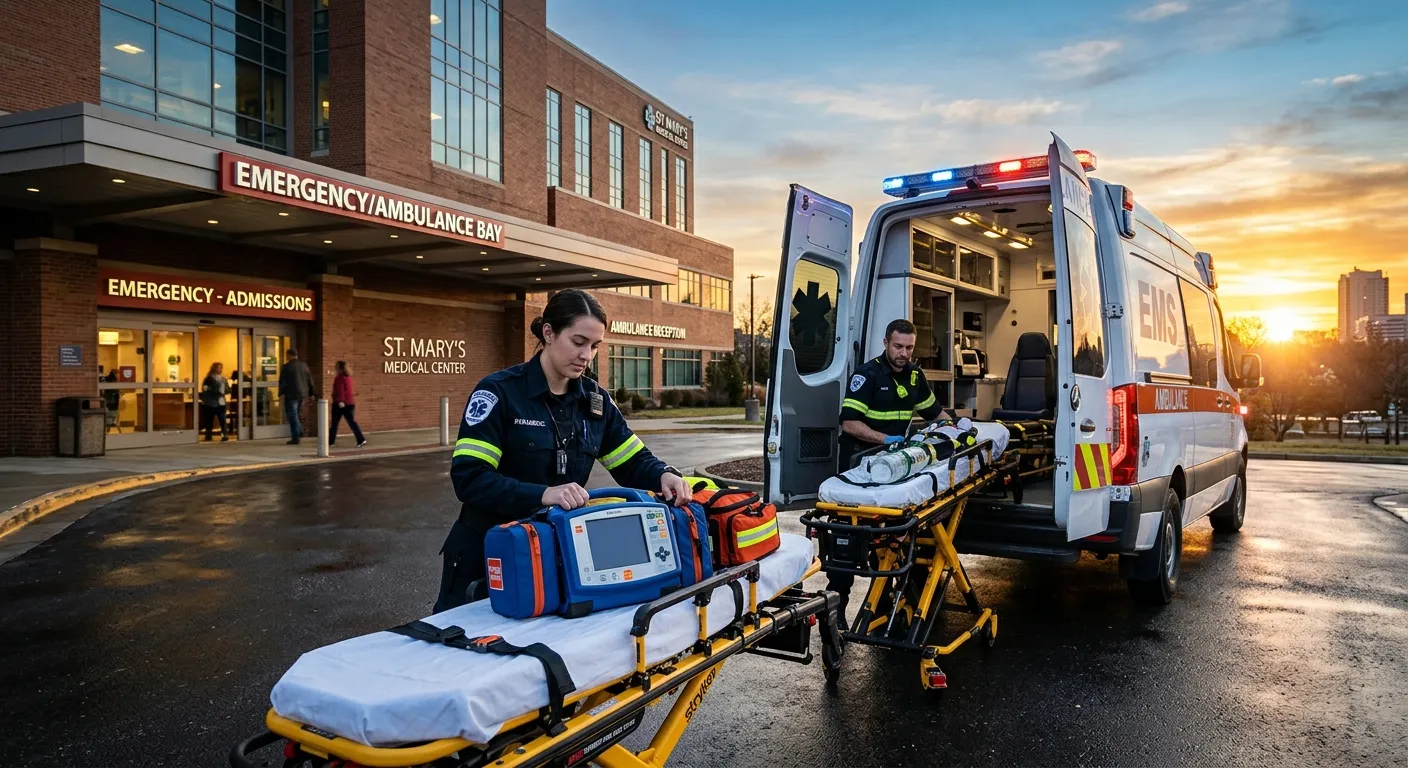
If you are considering a career in emergency healthcare, one of the first questions you will ask is: How Much Does A Paramedic Earn? The answer is not a single number. Paramedic pay varies by experience, band, employer, location, shift pattern, overtime, and whether the role is permanent, temporary, or agency-based. In the UK, many newly qualified paramedics start on Band 5 or Band 6, while senior, specialist, and management roles can progress into Band 7 and beyond.
This guide explains paramedic salary expectations in practical detail. It covers entry-level pay, qualified paramedic earnings, ambulance trust structures, London weighting, agency opportunities, and the factors that influence take-home pay. It also helps employers understand what to expect when recruiting clinical emergency staff through Healthcare Workforce Solutions or Healthcare Staffing In London.
Paramedic Salary Overview by Career Stage
Use these interactive tabs to compare common paramedic pay categories. Salary figures are indicative and may change depending on NHS agreements, regional employers, union negotiations, and local cost-of-living factors.
Entry-Level and Trainee Paramedic Pay
Entry-level pay usually applies to student paramedics, paramedic science graduates, newly qualified staff, or candidates completing pre-registration periods. Many student roles are unpaid or paid through NHS bursaries, while newly qualified Band 5 roles may start around £29,000 to £35,000 depending on local agreements.
- Student paramedic: often unpaid during clinical placements, though bursary support may be available.
- Newly qualified Band 5: approximately £29,000–£35,000 per year.
- Graduate paramedic programmes: may include paid support or NHS bursaries.
- Preceptorship roles: salary depends on trust, location, and banding.
When asking how much does a paramedic earn at the start of a career, it is important to distinguish between training pay and fully qualified pay. A trainee is not yet earning the same rate as a registered paramedic, but early clinical exposure can accelerate future salary growth.
Qualified Paramedic Salary
A fully qualified paramedic commonly works at Band 6 in many ambulance services. Typical Band 6 salaries may range from £37,000 to £52,000, depending on experience, local agreements, and whether the role includes enhanced clinical responsibilities.
- Band 6 paramedic: approximately £37,000–£52,000.
- Experienced field paramedic: may earn toward the upper band range.
- Shift, weekend, and bank holiday allowances: can increase annual earnings.
- Specialist skills: may improve progression opportunities.
Qualified paramedics are responsible for clinical assessment, emergency treatment, patient transport, documentation, and decision-making under pressure. The salary reflects the high level of accountability, public trust, and clinical risk involved.
Senior Paramedic and Band 7 Roles
Senior paramedics, clinical educators, team leaders, and specialist practitioners may move into Band 7 or higher. These roles often combine emergency response with leadership, training, quality improvement, or clinical governance.
- Band 7 paramedic: approximately £46,000–£62,000, depending on service.
- Clinical educator: may earn more with qualifications and experience.
- Team leader: often includes supervisory allowances.
- Specialist roles: may involve advanced practice or management duties.
For candidates asking how much does a paramedic earn after gaining several years of experience, Band 7 roles are often the next major salary step. However, progression usually requires strong clinical performance, leadership potential, and additional qualifications.
Agency and Temporary Paramedic Work
Agency paramedics may earn higher hourly rates than permanent staff, especially during urgent demand, night shifts, weekends, or rural coverage gaps. Rates can vary significantly based on the client, region, shift length, and whether the role is emergency or planned care.
- Temporary paramedic shifts: may pay premium hourly rates.
- Night or weekend work: often attracts higher pay.
- Urgent cover: can command enhanced rates.
- Contract workers: may have different holiday and pension arrangements.
Agencies can also help employers access qualified emergency healthcare professionals quickly. If you need clinical cover, explore Hire Specialist Care Staff to understand flexible staffing options.
London Paramedic Pay and Cost of Living
London salaries often include higher base pay or London weighting allowances. However, the higher cost of living can reduce the practical value of that salary. Paramedics in London may earn more on paper, but housing, transport, and childcare costs are significant considerations.
- London weighting: may add several thousand pounds annually.
- Hospital and ambulance trusts: rates vary by employer.
- Commuting costs: can affect net earnings.
- Housing pressure: may reduce disposable income.
When comparing roles, ask: How Much Does A Paramedic Earn after allowances, taxes, travel, and living costs? A higher salary in London does not always mean better financial comfort.
Key Factors That Influence Paramedic Earnings
Paramedic pay is shaped by more than job title. To understand the real income potential, consider these core factors.
Experience and Band Progression
As paramedics gain clinical competence, they may move from Band 5 to Band 6, then Band 7. Each band usually brings a higher salary range and greater responsibility.
Employer and Region
NHS ambulance trusts, private providers, hospitals, and regional services may pay differently. Location affects allowances, demand, and cost-of-living pressure.
Shift Patterns and Overtime
Emergency paramedics often work nights, weekends, bank holidays, and unsocial hours. These shifts can increase annual earnings through allowances and overtime.
Specialist Clinical Skills
Advanced practitioners, critical care paramedics, community response paramedics, and clinical educators may earn more through specialist roles or leadership duties.
Agency and Temporary Work
Temporary roles can offer premium pay during urgent demand. However, flexibility, travel, and contract terms must be compared with permanent employment.
Career Progression
Management, education, operations, and quality assurance roles can increase pay over time. Career growth often depends on qualifications and leadership experience.
What Does a Paramedic Actually Earn Per Year?
The most common search intent behind How Much Does A Paramedic Earn is annual salary. In broad terms, many qualified UK paramedics earn between £37,000 and £52,000 before allowances, overtime, and bonuses. Trainees and newly qualified staff may earn less, while senior and specialist paramedics can earn more.
| Role Type | Typical Annual Range | Key Pay Influencers |
|---|---|---|
| Student / Trainee | Often unpaid or bursary-supported | Placement requirements, funding rules |
| Newly Qualified | £29,000–£35,000 | Band 5 entry, trust policy |
| Qualified Paramedic | £37,000–£52,000 | Band 6, experience, shift allowances |
| Senior / Specialist | £46,000–£62,000 | Band 7, leadership, advanced practice |
| Agency / Temporary | Varies by hourly rate | Urgency, night shifts, weekend demand |
These figures are estimates. Actual pay may be higher or lower depending on NHS pay agreements, local employer policies, union negotiations, and individual contract terms.
Paramedic Salary Progression: From Training to Leadership
Understanding paramedic pay is easier when viewed as a career pathway. A paramedic’s salary usually rises as they move from education into qualified clinical work, then into senior practice, specialist roles, or management.
Stage 1: Education and Pre-Registration
Paramedic science students complete academic study and clinical placements. Many placements are unpaid, but funding support may be available. This stage builds the clinical foundation required for registration.
- University degree or apprenticeship pathway.
- Hospital, ambulance, and community placements.
- Assessment readiness and professional registration.
Stage 2: Newly Qualified Paramedic
Newly qualified paramedics often begin at Band 5 or a comparable entry level. They work under structured support while developing confidence in emergency decision-making.
- Preceptorship and supervised practice.
- Clinical documentation and patient care duties.
- First step toward independent emergency response.
Stage 3: Fully Qualified Band 6 Paramedic
Band 6 is a common milestone. Paramedics at this level handle complex emergency calls, lead patient care, and work independently or as part of a crew.
- Advanced clinical decision-making.
- Shift, weekend, and unsocial hours allowances.
- Eligibility for specialist development.
Stage 4: Senior, Specialist, or Management
Senior roles may include team leader, clinical educator, critical care paramedic, community responder, or operational manager. These positions often move into Band 7 or higher.
- Leadership and quality assurance.
- Training and workforce development.
- Higher salary potential and strategic responsibility.
Pro Tip: Compare Gross Pay and Real Take-Home Income
When evaluating how much does a paramedic earn, do not look only at the advertised salary. Factor in tax, National Insurance, pension contributions, travel, childcare, shift patterns, and cost of living. A higher-paying role in a city may not always provide better financial balance than a lower-paying role in a lower-cost area.
How Location Changes Paramedic Pay
Location is one of the biggest variables in paramedic earnings. London and the South East often offer higher pay due to cost-of-living allowances and recruitment pressure. Rural and remote services may also offer incentives because of staffing shortages and travel demands.
High-Cost Urban Areas
Urban services may provide London weighting or regional supplements. The higher salary can attract candidates, but housing and commuting costs may offset the benefit.
- Higher base salary and allowances.
- More employer options and shift flexibility.
- Higher cost of living and transport expenses.
Rural and Remote Regions
Rural paramedic roles may offer travel allowances, recruitment incentives, or enhanced unsocial hours pay. These roles can provide strong practical earnings despite lower advertised base salaries.
- Potential recruitment or retention bonuses.
- Greater responsibility across wider geography.
- Lower housing costs in some areas.
Candidates searching for Support Worker Agencies Near Me often compare care-sector pay with emergency clinical roles. Paramedic salaries are typically higher than many support worker roles, but they also require intensive training, registration, and clinical accountability. If you are exploring adjacent healthcare careers, see Support Worker Jobs Oldham OL1 for a different entry route into care work.
Paramedic Pay Compared with Other Healthcare Roles
Paramedic salaries are competitive within the healthcare sector, but they are not the highest clinical pay available. Comparing roles helps candidates understand long-term earning potential.
Healthcare Assistant
Healthcare assistants generally earn less than paramedics and may have lower training requirements. The role can be a useful stepping stone into wider clinical careers.
Pharmacist
Pharmacists can earn high salaries, especially with specialisation or senior roles. For a detailed comparison, read the Pharmacist Salary Guide 2026.
Paramedic
Paramedics earn competitive salaries due to emergency responsibility, shift work, and advanced clinical decision-making. Pay progression can be strong for those who pursue leadership or specialist practice.
If you are comparing clinical career paths, ask not only how much does a paramedic earn, but also which role offers the right balance of pay, training, job security, and professional satisfaction.
Overtime, Allowances, and Hidden Earnings
A paramedic’s base salary is only part of the picture. Many earnings are added through allowances, overtime, and unsocial hours. This is especially important for candidates asking How Much Does A Paramedic Earn in real life, not just in advertised salary ranges.
Unsocial Hours Pay
Paramedics often work nights, weekends, bank holidays, and early shifts. These hours may attract enhanced pay rates.
- Night shift premiums.
- Weekend and holiday allowances.
- Early and late rota enhancements.
Overtime
Emergency services can experience unpredictable demand. Overtime may be available during staffing gaps, major incidents, or seasonal pressure.
- Additional shifts during busy periods.
- Emergency incident overtime.
- Short-notice cover payments.
Recruitment Incentives
Some services offer signing bonuses, relocation support, or retention payments to attract qualified paramedics.
- Relocation packages.
- Retention bonuses.
- Training support.
Specialist Allowances
Paramedics with advanced clinical skills may receive additional pay or role-specific allowances.
- Critical care paramedic roles.
- Community responder services.
- Clinical educator positions.
How to Increase Your Paramedic Salary
Paramedics who want higher earnings should plan beyond initial qualification. Salary growth usually comes from experience, band progression, specialist skills, and strategic career moves.
1. Move from Band 5 to Band 6
Completing preceptorship and demonstrating clinical independence is the first major pay step. Seek regular appraisal feedback and document competence achievements.
2. Develop Specialist Clinical Skills
Advanced practice, critical care, paediatric response, mental health response, and community emergency roles can open higher-paying opportunities.
3. Pursue Leadership Roles
Team leader, clinical educator, and management roles often increase pay and provide long-term career stability.
4. Consider Agency or Temporary Work
Temporary roles can provide premium rates, flexible schedules, and exposure to different services. Employers can also use agency staffing to fill urgent gaps quickly.
For employers, hiring experienced paramedics through specialist healthcare recruitment can reduce vacancy pressure. Explore Healthcare Staffing In London for clinical staffing support.
Is Becoming a Paramedic Worth It Financially?
The financial answer depends on your priorities. Paramedic training requires academic study, clinical placements, registration, and ongoing professional development. The salary is generally competitive, but the role also carries physical, emotional, and legal responsibility.
Financial Pros
- Stable demand for emergency healthcare professionals.
- Potential overtime and unsocial hours pay.
- Clear band progression from qualified to senior roles.
- Agency opportunities for higher short-term earnings.
- Pension and benefits in many permanent roles.
Financial Challenges
- Training periods may limit early income.
- Shift work can affect childcare and travel costs.
- Higher-paying urban roles may have higher living costs.
- Agency work may lack some permanent benefits.
- Salary growth depends on experience and qualifications.
If your main goal is the highest possible income, some healthcare careers may pay more after longer training or senior management. If your goal is meaningful emergency work with solid pay and progression, understanding How Much Does A Paramedic Earn helps set realistic expectations.
What Employers Should Know About Paramedic Pay
Employers hiring paramedics or emergency clinical staff need to understand pay expectations. Competitive salaries, clear progression, and flexible shift options help attract and retain qualified professionals.
Permanent Hire
Permanent paramedics provide continuity, institutional knowledge, and long-term workforce planning. Employers should offer clear band progression, clinical support, and retention incentives.
Temporary and Agency Cover
Temporary staffing can fill urgent gaps, cover sickness, or support peak demand. Rates may be higher, but flexibility can reduce recruitment delays and service disruption.
If you are building a healthcare workforce plan, review Healthcare Workforce Solutions to explore recruitment, compliance, and staffing strategy.
FAQ: How Much Does A Paramedic Earn?
Final Takeaway: Understanding Paramedic Earnings Before You Apply
The answer to How Much Does A Paramedic Earn depends on where you are in your career. Trainees may earn little or nothing during placements. Newly qualified paramedics can expect entry-level pay. Fully qualified Band 6 paramedics often earn a competitive salary with allowances. Senior and specialist roles can move into Band 7 and above.
The most important step is to compare advertised salary with real-life earnings. Consider shift patterns, overtime, pension, travel, childcare, and regional cost of living. For employers, understanding pay expectations helps create realistic job postings and attract qualified clinical professionals faster.
If you are searching for Support Worker Agencies Near Me and comparing care roles, remember that paramedic work usually pays more because of advanced clinical training and emergency responsibility. However, support worker roles can still be a meaningful and accessible entry into healthcare.
About This Paramedic Salary Guide
This guide is designed for paramedic students, qualified paramedics, healthcare recruiters, and employers who need a clear explanation of emergency healthcare pay. It explains salary bands, allowances, regional differences, agency work, and career progression in practical terms.
Salary information should be treated as a guide rather than a guaranteed figure. NHS pay agreements, ambulance trust policies, union negotiations, and local recruitment conditions can change earnings. Employers should also review Healthcare Workforce Solutions to understand compliant, flexible staffing approaches.
Whether you are planning a paramedic career or hiring emergency healthcare professionals, the right information helps you make confident decisions. For permanent or temporary clinical recruitment needs, use the hiring CTA above to start your job request.